October 31, 2025
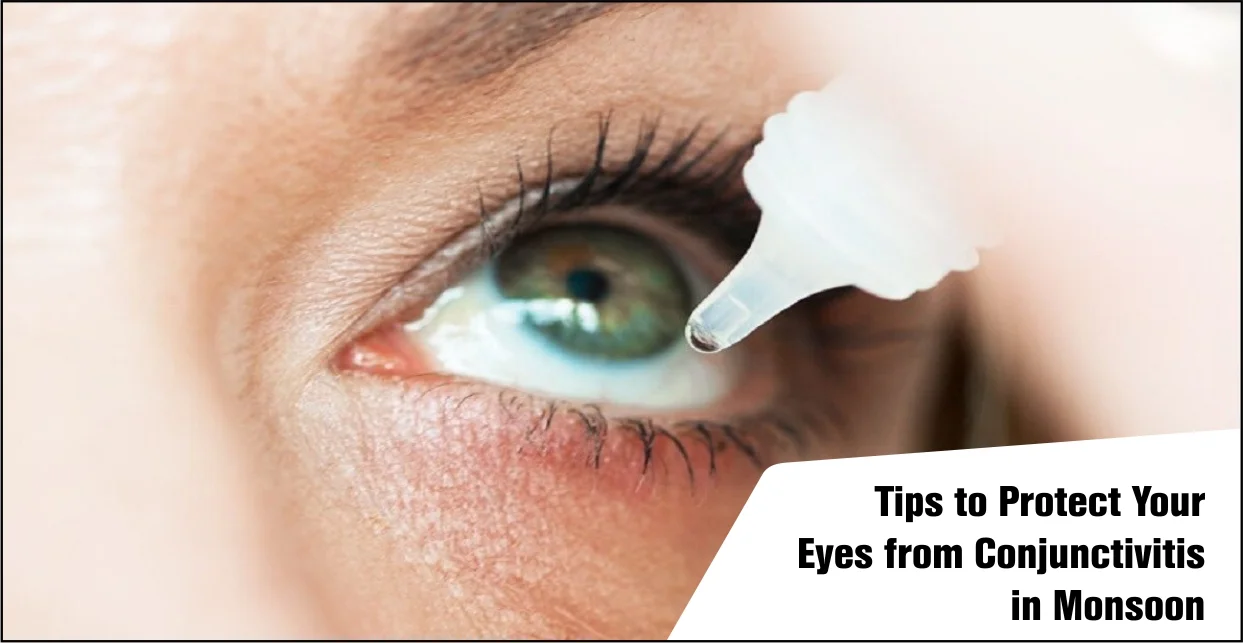
The monsoon season offers a welcome break from the summer heat, but it also brings a surge of health issues, especially concerning eye care. The high levels of humidity and pollution during the rains create an environment where eye disorders thrive. One of the most common is Conjunctivitis (often called “Pink Eye”).
Conjunctivitis is caused by the inflammation of the conjunctiva, leading to uncomfortable symptoms like:
If you experience any of these symptoms, or are simply concerned about your eye health during the rainy season, don’t wait! Visit Skipper Eye-Q Eye Hospital. Our skilled ophthalmologists will examine your eyes, provide an accurate diagnosis, and prescribe the appropriate treatment to keep your vision safe and comfortable.
Conjunctivitis is primarily an inflammation of the semitransparent layer called the conjunctiva. This causes the whitish membrane of your eyes to be reddish, exactly pinkish. It is contagious and therefore early diagnosis or preventive steps will allow it to be limited in spreading. It may involve either one eye or both eyes and this needs a precise diagnosis and treatment.
The monsoon seasons result in astounding breeding areas of bacteria and viruses due to the humid and damp climate. Direct contact with soiled rainwater and the intensity of the allergens (pollen, dust, and mites) are common causes of increasing transmission of Conjunctivitis among people. It is also usually recommended not to share eye makeup as it causes contamination by bacterial growth.
Eye protection is recommended when outdoors, as this would curtail contamination. In addition to that, high concentrations of pollutants, poor hygiene, and humidity are other important factors that affect the immune system, which is an important aspect of Conjunctivitis.
Fluctuating weather, high level of humidity, low vitamin D intake, and seasonal allergy undermine the natural defense system of the body. Concerned about knowing how to limit exposure to allergens or how to apply makeup on the eyes to limit Conjunctivitis? It will be most appropriate that you consult professional eye specialists in Skipper Eye-Q International Eye Hospital, who have been treating viral eye infections such as Conjunctivitis, to ensure your eyes stay healthy during this monsoon season.
The increasing air and water borne illnesses have seen you feel worked up to take extreme precautions in order to enjoy a healthy monsoon without having to cover your eyes with most of it as well as lose a lot of time in dealing with persistent itching and gritty touchiness. The following are some of the preventative measures of Conjunctivitis:
Protective eyewear is not merely to prevent your eyes from being affected by extreme sunlight exposure, but also to prevent infection from eye diseases such as Conjunctivitis. Outdoor sunglasses may be used to shield your eyes against pollutants in rainwater, viruses, and fungi that may lead to serious itchiness, redness, and infections. Thus, it is advisable at all times to use eye protection outdoors and indoors since Conjunctivitis is very contagious. You should also ensure your eyes are not exposed to the germs in case any of your family members or friends are victims of the condition. The best method of defending yourself and other people is to observe good hygiene and not to touch your eyes often.
Conjunctivitis can be prevented by ensuring that your eyes are not contaminated, and water is a major contaminant. You are not always in contact with polluted rainwater or water sprays in your eyes; however, your risk of getting Conjunctivitis can go up. Thus, rather than dropping swimming classes, you should always put on suitable goggles and take off the contact lenses (in case you have them) each time you get into the water. Although we wear eye protection equipment, it is necessary to clean your eyes externally with fresh and clean water or sterile saline solution. To prevent water contamination, then the simplest of hygiene practices should be taken up, washing hands before handling your eyes. In case you are prone to itchiness, use fresh water instead of scrubbing your hands with force because a strong scrub may enhance the growth of bacteria. One further recommendation is that it is inappropriate to splash water into your eye. Chlorine exposure should be minimized, not only in the case of Conjunctivitis but also in those who are taking precautionary measures. Severe exposure to chlorine may initiate allergic and eye irritation.
When you want to protect against conjunctivitis, safety goggles and safety sunglasses are your best bet, particularly when it is monsoon. In addition to them, a high-tech filter, like an air purifier using HEPA, would be an excellent solution that would help filter the air you breathe and eliminate dust, viruses, and other allergens. Allergic Conjunctivitis can be acquired when an individual is exposed to allergens such as pollen, dust mites or pet dander in the eyes. In case you are highly prone to contracting eye infections, first learn the stimulating agents and implement the necessary steps to reduce the exposure. Where the air is full of smoke, smog, and other toxic chemicals, use protective eyewear. Otherwise, have a habit of cleaning your eyes with cotton soft buds and lukewarm water to extract all foreign elements.
In case of slight reddening in the eyes, itchiness, and watery eyes, lubricating eye drops are miraculous as a precaution against Conjunctivitis in the monsoon. It assists in the elimination of irritants like allergens and contaminants, keeps the eyes damp and free, and reduces the chances of infection. They are the equivalent to natural tears and hydrate and cleanse the ocular surface. Hence, your eyes would not succumb to a bacterial and viral illness flourishing in swampy monsoon weather. These eye drops are effective in reducing the duration of allergic Conjunctivitis when one has a tendency to get pollen or dust allergies. You should not administer eye drops on your own, but seek the services of an eye specialist. Visiting Skipper Eye-Q Eye Hospital would provide you with a range of eye check-ups, and according to your diagnosis, eye specialists would take you through the preventative process.
The wearing of lenses is not recommended in the monsoon but knowing the rationale behind the recommendation can assist you in staying away from activities that are prohibited. The main origin of contact lens contamination is improper sanitation during the monsoon, during which people fail to wash and dry their hands prior to making contact with their lenses. The usage of non-sterile water may include dangerous microorganisms, including the Acanthamoeba parasite, which may result in Conjunctivitis and even Keratitis, resulting in visual loss. The improper disposal and cleaning of the former contact lens solution precipitates bacterial growth within the lens case. Failing to clean the case on a regular basis can lead to contaminated lenses. Giant papillary Conjunctivitis can also be caused by excessive exposure to pollutants, even pollen when the presence of foreign particles on the lens is detected.
Personal hygiene and a balanced diet can prevent and cure Conjunctivitis. Dark leafy foods such as spinach and parsley should be consumed in your diet, as they are good sources of antioxidants: lutein and zeaxanthin, which help protect the eyes from conjunctivitis. Vitamins A and C are also known to be good sources of vitamins derived from orange-colored fruits and vegetables, including sweet potatoes, apricots, papaya, pumpkin, carrots, and oranges, necessary for the normal functioning of the eye. Salmon, Eggs, and Sardines are good sources of protein, antioxidants, Zinc, and Omega fatty acids, which promote eye health and lower the occurrence of inflammation. Also, you should always consume nuts as they are healthy sources of vitamin E, which prevents your eyes from infections such as Conjunctivitis.
The incidence of Conjunctivitis can be limited by adequately optimizing healthcare interventions. A few adjustments in your personal hygiene, not exposing yourself to irritants, eye drops recommended by doctors, clean lenses, and a balanced diet will help in combating Conjunctivitis which is a common eye infection that is common during the monsoon. To get the final care in the eyes, come to Skipper Eye-Q Eye Hospital, where our eye experts will give individual care to each patient to have proper diagnosis and treatment. Conjunctivitis can be avoided even with our medical advice and this creates an advantage.


Have you ever noticed tiny spots or threads floating across your vision when looking at a bright sky or a plain wall? Or perhaps you've seen sudden flashes of light,...
Read More
If you're dealing with pain in your right eye along with a headache, it's most often one of a handful of familiar causes a migraine, a tension headache, a sinus...
Read More
Apollo, medically referred to as conjunctivitis occurs from inflammation of the eye's transparent membrane, known as the conjunctiva. This inflammation is triggered by infection or irritation caused by bacterial, viral,...
Read More