March 30, 2026
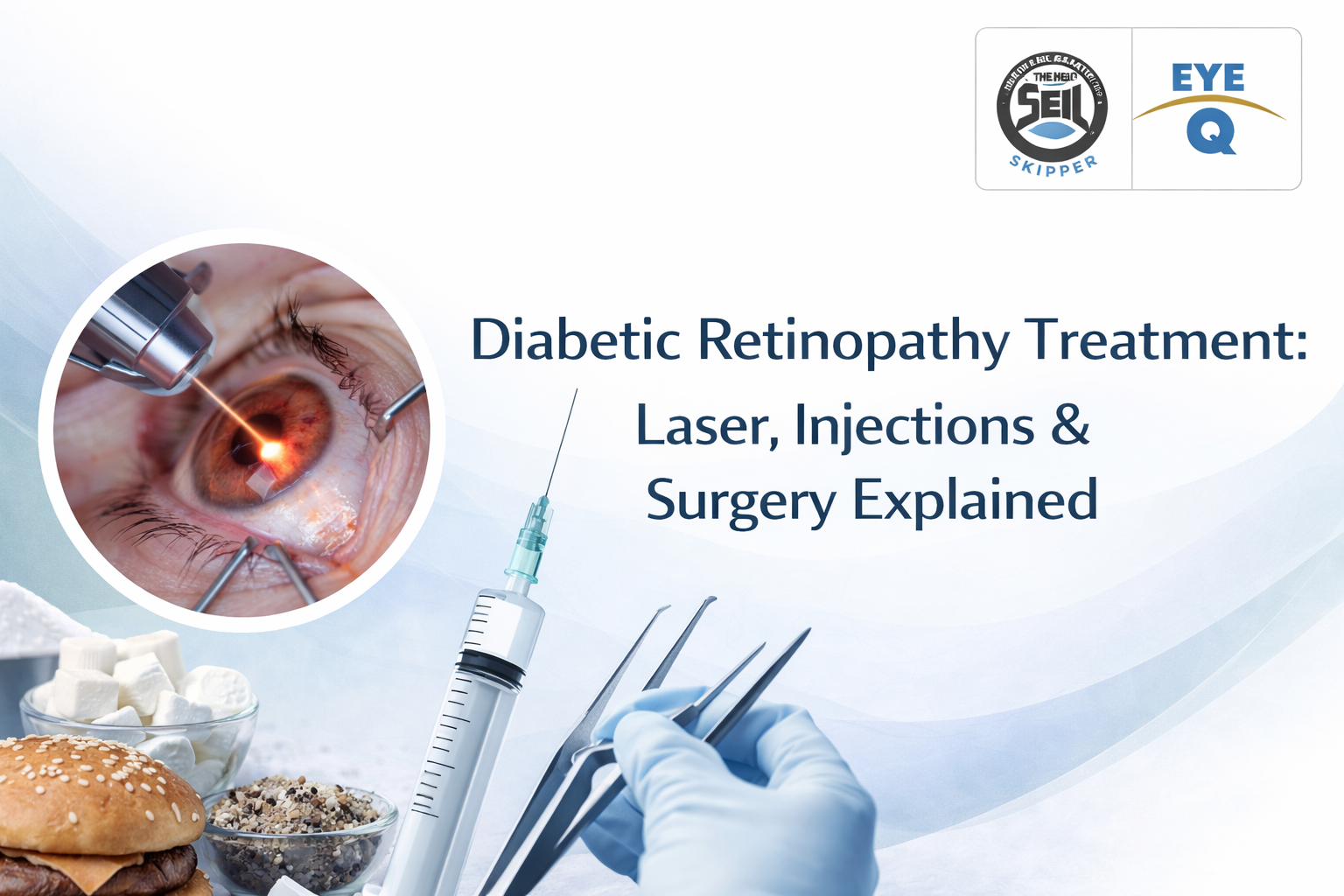
Diabetic retinopathy is a serious eye condition caused by long-term diabetes and is one of the leading causes of preventable blindness worldwide. It develops when high blood sugar damages the small blood vessels in the retina, gradually affecting vision.
In many people, vision remains normal in the early stages. Because there is no pain, the condition often goes unnoticed. However, as it progresses, untreated diabetic retinopathy can lead to permanent vision loss. The good news is that modern treatments—including laser therapy, eye injections, and surgery—can effectively control the disease and protect vision when started early.
Diabetic retinopathy occurs when prolonged high blood sugar weakens and damages the tiny blood vessels of the retina. This damage develops slowly over time.
As the condition progresses, several changes can occur:
If left untreated, these changes can lead to significant vision impairment.
Also Read : Diabetic Retinopathy: Causes, Symptoms, Treatment
In the early stages, diabetic retinopathy often does not cause noticeable symptoms. This is why regular screening is essential, especially for people living with diabetes.
Some common early signs include:
Recognising these early signs allows for timely treatment before vision is seriously affected.
Understanding the stages helps determine when treatment is needed.
Small bulges (microaneurysms) develop in retinal blood vessels. Vision is usually unaffected at this stage.
Some blood vessels become blocked, reducing blood flow to the retina.
A larger number of vessels are damaged, leading to reduced oxygen supply. The eye begins signaling for new vessel growth.
Abnormal blood vessels grow and may bleed into the eye. At this stage, the risk of severe vision loss is high and urgent treatment is required.
Also Read : Diabetic Eye Exam: Why It Matters?
At Skipper Eye-Q Hospitals, treatment is recommended when:
Early treatment is critical to preserving vision and preventing further damage.
Treatment depends on how advanced the condition is and how much the retina has been affected.
Laser therapy is a well-established treatment used to stabilize the retina.
Eye injections are commonly used, especially when swelling is present.
In many cases, doctors combine treatments for better results. For example, injections may be used first to reduce swelling, followed by laser therapy to stabilize the retina.
Vitrectomy is used in advanced cases, particularly when there is bleeding inside the eye or retinal detachment.
Also Read : Retinal Detachment: Symptoms, Diagnosis & Treatment
There is no single treatment that works for everyone. At Skipper Eye-Q Hospitals, the approach depends on:
In Nigeria and across West Africa, many people with diabetes are diagnosed late, and regular eye screening is often missed.
Environmental factors such as the Harmattan, along with a high prevalence of hypertension, can further affect eye health and increase the risk of complications.
Regular screening and early treatment at specialized center’s like Skipper Eye-Q Hospitals can help detect problems early and prevent avoidable vision loss. Advanced imaging such as OCT allows doctors to identify changes that are not visible during a routine eye exam.
Also Read : Floaters and Flashes: Symptoms, Diagnosis & Treatment
Preventing diabetic eye disease is possible with proper management.
Good control of diabetes significantly reduces the risk of long-term vision problems.
Early signs include blurred vision, difficulty reading, floaters, and poor night vision. However, symptoms may not appear in the early stages, making regular screening essential.
Yes. If left untreated, it can lead to complications such as bleeding, retinal detachment, and permanent vision loss.
It is not fully reversible, but it is manageable. With timely treatment, progression can be controlled and vision can be preserved.
Damage usually develops over several years of uncontrolled blood sugar. However, it may already be present at the time of diagnosis.
The best treatment depends on the stage. Injections are often used for swelling, laser for abnormal vessels, and surgery for advanced complications.


Blurry vision in one eye without pain is usually a sign of a specific problem with that eye—not fatigue or screen strain. It could indicate anything from a simple refractive change...
Read More
In developing countries, around 90% of people with glaucoma don't know they have it. Silent eye disease damages your eyes gradually through mechanisms you cannot detect, with no pain, no...
Read More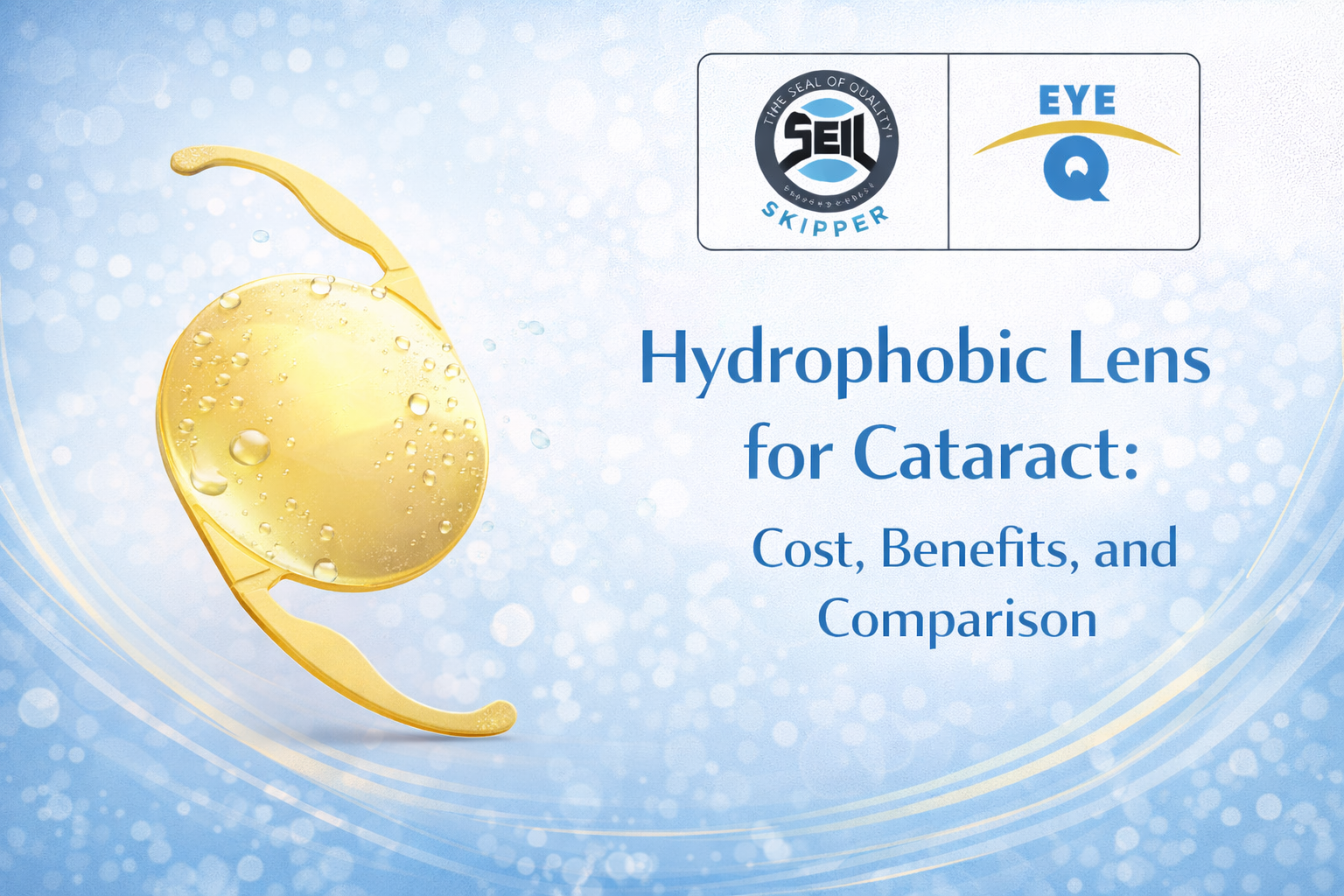
Cataracts cause the eye's natural lens to become cloudy, blurring vision and affecting daily life. During cataract surgery, the clouded lens is removed and replaced with an artificial intraocular lens...
Read More