November 5, 2025
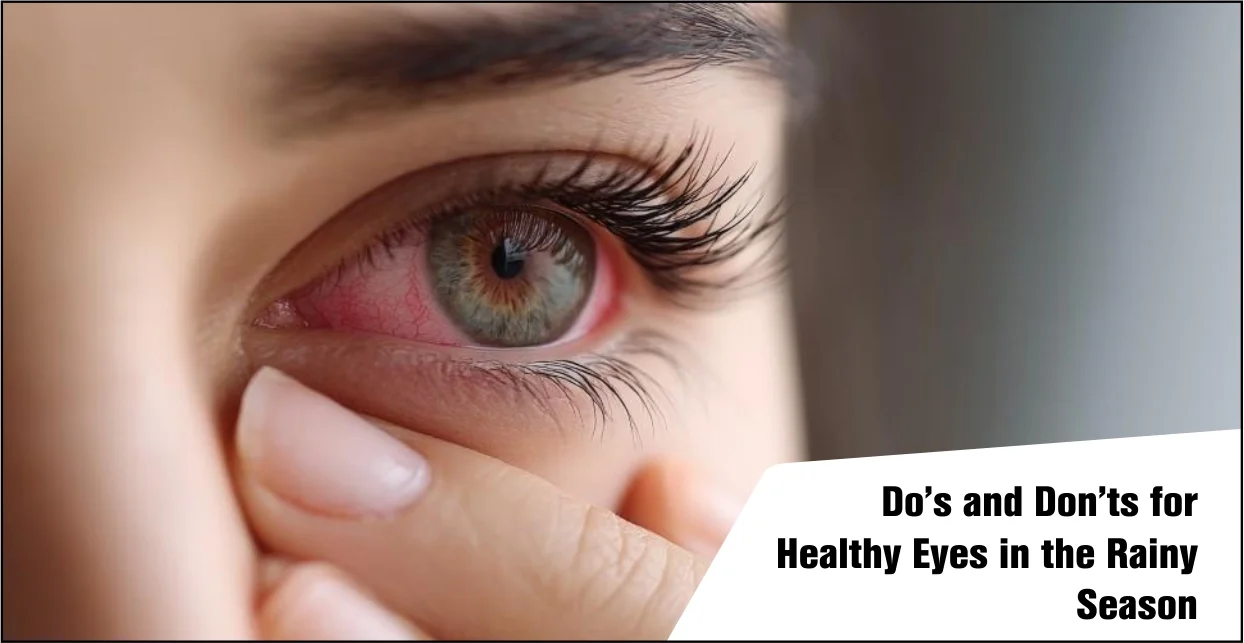
The rainy season is a welcome break from the summer heat, but it brings a unique set of challenges for your eyes. The combination of high humidity and moisture promotes microbial growth and carries contaminants that make eye infections much more common. Because of this, your eye care requires special attention during the monsoon.
This article will show you the right practices to protect your vision and some habits you should avoid to help you navigate the season safely.
For those who want to ensure comprehensive eye care this monsoon, Skipper Eye-Q is here for you. Our expert services and resources help you enjoy healthier eyesight throughout the year.
Monsoon conditions are ideal for microbial growth and retention. Bacteria and viruses, along with fungi, thrive in warm and moist environments. Rainwater itself can be the carrier of pollutants and dust, as well as various microorganisms. Rainy months are when medical experts usually notice a rise in conjunctivitis and allergic eye reactions, along with corneal ulcers.
Moreover, walking outside in the rain or being outdoors during this time exposes the eyes to splashes and windborne particles. These may carry pathogens. The risk is also enhanced when you rub your eyes with unwashed hands and use contaminated water.
These are the do’s for healthy eyes this rainy season:
Hands are the most common way to contract bacteria or viruses. Meanwhile, we may even touch surfaces like door handles and raincoats, as well as umbrellas. These carry various pathogens as well. Every time you touch these surfaces or your face and glasses, it is advised that you also wash your hands with soap. This is great to prevent the risk of transferring germs onto your eyes and mouth. You can successfully break the cycle of transmission with this process. An alcohol-based sanitizer can be a great alternative when soap and water are not readily available.
Rainwater is not pure. In most of the environments, raindrops sweep air pollutants and microbes, and dust. When you expose your eyes to this water, you risk being infected with irritation among other things. Be sure not to get this by using an umbrella or a large rain hat. Clearly, safety glasses can also make a nice choice when you are going outside. A barrier between the water droplets and the eye surface would help to decrease the possibility of contamination.
Be careful of the sanitation of everything which approaches the eyes in rainy weather. Washcloths, pillow cases and towels also need replacing regularly. Microbial breeding is most preferable in wet and damp clothes. Do not use the same handkerchief twice in wiping your face or eyes. Besides, remember to clean your eyewear such as the sunglasses and the specs. On lenses and frames dust and particles tend to stick.
Even makeup can pose risks during the monsoon. The humid environment can cause makeup to smudge and degrade. This can further cause microbial contamination. Use only fresh and high-quality products during this time. Do not share your eyeliner and mascara with anyone. Remove all makeup carefully at the end of the day so there are no residues and clogging of glands. A gentle cleanser is recommended for this.
The body still loses moisture in cooler or humid weather. Adequate hydration with about 6-8 glasses of water every day ensures your tear film remains healthy. It is also important in keeping your eyes lubricated since dry eyes are more likely to get irritated and infected. Give your eyes proper rest if you are in front of a screen for a significant period of time in a day. Look away often and move away from screens for several minutes at a time to undo prolonged damage. Sleeping well also helps restore the eyes from stress.
Skipper Eye-Q is a top eye clinic that ensures you experience holistic eye care during the monsoon. We bring together protective habits and professional checkups so you can receive prompt treatment for rain-induced eye issues.
These are the don’ts for healthy eyes in the rainy season:
Rubbing is a vice that is dangerous in risky conditions such as rainy and humid weather. Rubbing may scratch the surface of the cornea and aggravate irritation. You must not do it, though there are itchiness and grittiness in your eyes. In addition, rubbing distributes the pathogens evenly and damages sensitive tissues. Various eye infections begin with eye microscopic abrasions. Rather, consider blinking softly in order to clear the eye or use clean water.
Contact lenses can trap moisture and pollutants between the lens and the eye surface. This can then become a breeding ground for infection. Rainwater contamination is a serious risk. Avoid wearing your lenses when it is rainy or humid outside. Instead, wear glasses on rainy days. If it is absolutely important that you wear lenses, ensure extreme hygiene while handling and putting on the lenses.
Many people may opt for over-the-counter eye drops or home remedies when they see any symptoms of eye issues. Do not use the wrong drug without a proper diagnosis. This can worsen viral infection and mask serious conditions. Always get in touch with an eye specialist before starting medication.
Infectious eye diseases are easily transmitted by the use of shared towels, makeup, and pillowcases. It is worth remembering that you should keep your personal things to yourself when the infections are at a higher rate during the rainy season. Do not use cosmetics or other things of another person.
Even the best care cannot eliminate some red flags which can require professional intervention. In case of severe eye pain and blurring of vision, intense redness or swelling, medical attention is to be sought immediately. These complaints can be indicative of bacterial infection and corneal ulceration.
In case the same occurs to the children or those with weaker immunity, there is no time to lose. Quick treatment should be relevant in the prevention of chronic harm. Skipper Eye-Q provides specialized assessment and treatment for monsoon-related eye issues. Schedule a preventive check with us today to ensure your eyes are safe from monsoon-induced issues.
The rainy season sure captivates us with its cool breezes and lush landscapes. However, it is also the time for greater caution with our eyes. By taking care of the do’s and don’ts given in this article, you can ensure reduced risk of eye complications.
Skipper Eye-Q is your go-to option for eye care and treatment in the monsoon. Our balanced approach combines preventive care and timely medical intervention so your vision remains intact during the monsoon season.


Glaucoma has long been known as the “silent thief of sight.” Traditionally, patients were told they would not notice anything until their side/peripheral vision started to go. In practice, that...
Read More
Diabetic retinopathy is a serious eye condition caused by long-term diabetes and is one of the leading causes of preventable blindness worldwide. It develops when high blood sugar damages the...
Read More
Blurry vision in one eye without pain is usually a sign of a specific problem with that eye—not fatigue or screen strain. It could indicate anything from a simple refractive change...
Read More