The ability to see things is called eyesight or vision. Sometimes, someone’s eye cannot focus the image of an item properly on the retina. In such cases, the vision of the individual becomes blurred, and the individual can not see truly and effortlessly. It is called an eye defect. Consult with our doctor at Skipper Eye-Q International Eye Hospitals to know about defects of vision and their correction.
The different eye parts can cause vision defects, based on their health and functionality. Every eye part has its role and makes links in the chain of vision. Some primary parts consist of
| Cornea | Lens | Retina | Optic nerve |
| The first part focuses on light | Further focuses light onto the retina | Translates light into electrical signals | Transmits impulses to the brain |
Ailments to any of these parts can cause defects in the eye. For example, cataracts, the condition of the clouding of the eye’s natural lens, are the main cause of eye defects.
Various factors can lead to eye problems and defects in vision. As individuals age, their vision may naturally decline, accompanied by changes in the focal length that affect how they see. Cataracts, a prevalent eye defect, can result in partial or complete vision loss if left untreated. The formation of a milky and cloudy crystalline lens in the eye during old age characterizes cataracts. Fortunately, vision can be restored through cataract surgery.
Issues arise when the eye loses its ability to adjust its focal length, manifesting as blurred vision or difficulty seeing nearby and distant objects. Refractive index defects further contribute to discomfort and unclear vision. Neglecting timely intervention may result in a complete loss of the eyes’ accommodation power. This article aims to explore various vision defects and their respective correction methods.
Several prevalent vision defects include:
Myopia, commonly called near-sightedness, describes a condition where an individual can see nearby objects but experiences difficulty in focusing on distant ones. Distant objects appear blurry and cause discomfort when viewed. This condition arises when the shape of the eyes causes light rays to bend incorrectly, resulting in the focal point being in front of the retina instead of directly on it.
The correction of myopia, or near-sightedness, involves using concave lenses. These lenses diverge incoming light rays before they reach the eye’s lens, effectively shifting the focal point onto the retina. This adjustment compensates for the excessive curvature of the cornea or an elongated eyeball associated with myopia, enabling individuals to see distant objects more clearly. Eyeglasses and contact lenses with concave lenses are common corrective measures for myopia, providing individuals with improved distance vision. Refractive surgeries such as LASIK, which reshapes the cornea, also offer a more permanent solution for myopic correction.
Once you understand the types of eye defects and their correction, you should know how they affect your vision. Objects that are close (like a book or mobile) appear clear because the light rays from that system focus on the retina.
Objects that might be a ways away (like a building or a road signal) seem blurry because the light rays converge before they reach the retina.
Far-sightedness, commonly referred to as hypermetropia, occurs when an individual can perceive distant objects clearly but experiences difficulty seeing nearby objects distinctly. Typically, individuals with this condition tend to squint when attempting to view objects up close. Hypermetropia arises when light rays from nearby objects converge to a point behind the retina.
The correction for hypermetropia, or far-sightedness, involves converging lenses, commonly known as convex lenses. These lenses add focusing power, helping to bring the focal point of light rays forward onto the retina. By wearing spectacles with convex lenses, individuals with hypermetropia can achieve clearer vision for nearby objects, addressing the refractive error caused by the light converging behind the retina.
With advancing age, the accommodation factor’s ability to adjust the focal length diminishes, leading to difficulties in clear near vision without corrective eyeglasses. This age-related condition is known as presbyopia, occurring when the ciliary muscles weaken and reduce the elasticity of the eye lens. Presbyopia typically manifests in individuals aged 40 and above.
Presbyopia, an age-related condition characterized by a diminished ability to focus on near objects, can be corrected using appropriate eyeglasses or contact lenses. These corrective lenses compensate for the reduced flexibility of the eye lens caused by weakening ciliary muscles, enabling individuals aged 40 and above to achieve clearer near vision. In some cases, minor surgical interventions may also be considered to address presbyopia and restore optimal vision clarity. Technological advancements provide various options for correcting presbyopia, offering individuals tailored solutions for improved visual acuity.
Some individuals experience both myopia and hypermetropia disorders. Bifocal, concave, and convex lenses are recommended in such cases. The upper portion of the bifocal lens has a concave lens, while the lower portion features a convex lens to facilitate clear vision for both near and distant objects.
Understanding and addressing eye defects is crucial for promoting clear sight and ensuring the well-being of people. You can consult with Skipper Eye-Q International Eye Hospitals to diagnose eye defects and treat them. By exploring the diverse refractive defects of vision, which include myopia, hypermetropia, and presbyopia, we find the significance of corrective measures like round lenses.
Embracing non-optical and optical aids becomes paramount in empowering people with visual defects, emphasising the significance of a world that accommodates numerous abilities and rectifies defects of vision.
The most common eye defects consist of myopia (nearsightedness), hyperopia (farsightedness), astigmatism, and presbyopia. Other conditions, including amblyopia (lazy eye), strabismus (crossed eyes), and night blindness, are also highly common and impact your daily life.
Eye defects may occur because of genetic factors, ageing, eye form abnormalities, or underlying medical conditions like diabetes or vitamin deficiencies. Environmental factors like extended screen time or bad lighting can also make contributions, particularly in children and working adults.
The light rays from a nearby object are focused at a point behind the retina. Hence, the person cannot see the items nearby clearly.
Yes, conditions like myopia can occur during teenage years, and presbyopia worsens with age. Regular follow-ups with Skipper Eye-Q International Eye Hospitals help track these adjustments and ensure your corrective measures (glasses, lenses, or treatments) stay powerful.
Yes, kids may develop myopia, hyperopia, astigmatism, or amblyopia as early as age. You should watch for signs and symptoms like squinting, sitting too near the TV, or common eye rubbing. Early detection facilitates the detection of vision and its correction.
Myopia and hypermetropia are the main defects of vision. They are corrected by the use of spectacles or contact lenses with concave or convex lenses.
LASIK surgical treatment, which is a common term for all varieties of laser eye surgical procedure, is considered a completely successful procedure to correct various types of eye defects.


Blurry vision in one eye without pain is usually a sign of a specific problem with that eye—not fatigue or screen strain. It could indicate anything from a simple refractive change...
Read More
In developing countries, around 90% of people with glaucoma don't know they have it. Silent eye disease damages your eyes gradually through mechanisms you cannot detect, with no pain, no...
Read More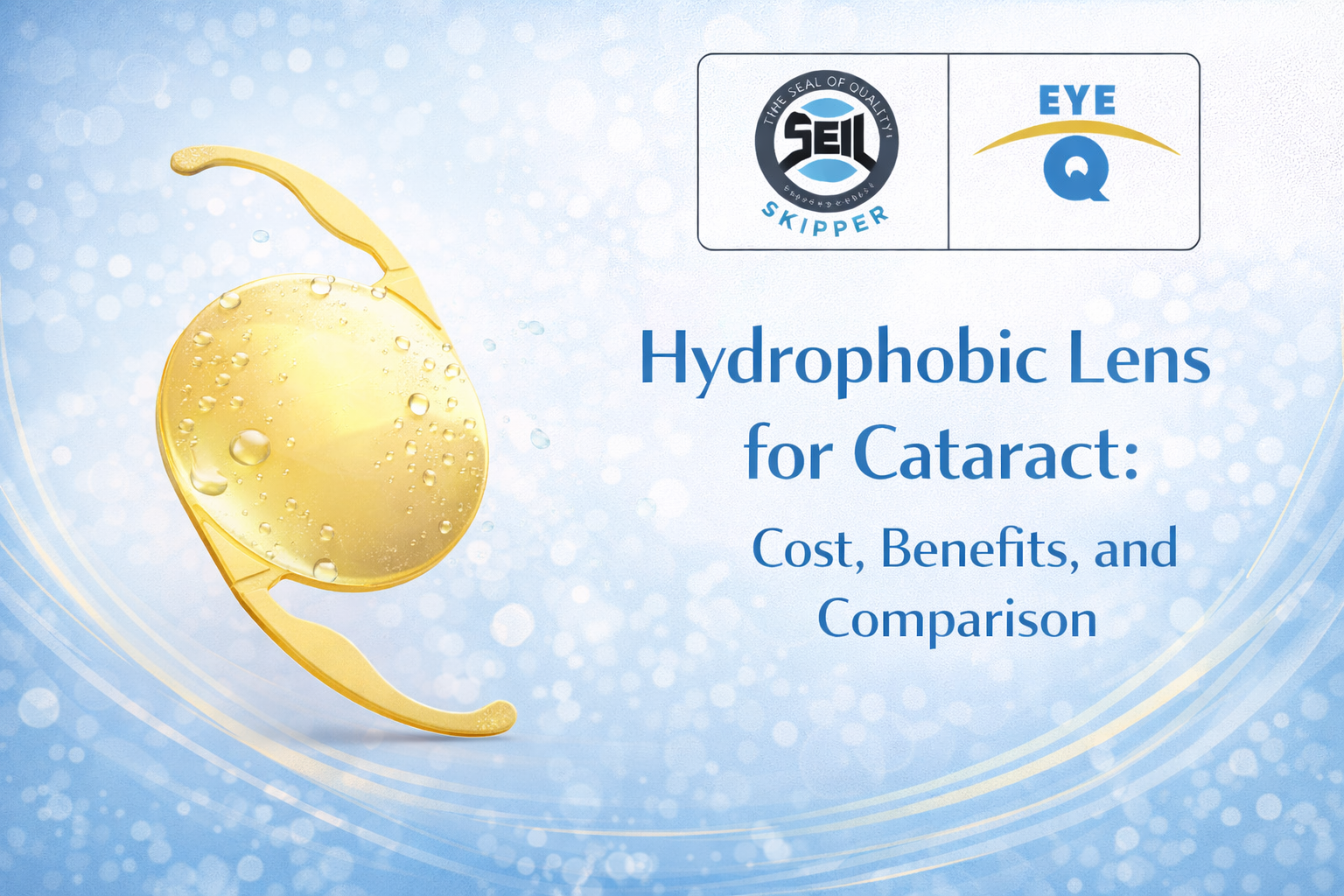
Cataracts cause the eye's natural lens to become cloudy, blurring vision and affecting daily life. During cataract surgery, the clouded lens is removed and replaced with an artificial intraocular lens...
Read More