Our eyes are windows to the world, allowing us to experience the beauty and wonder around us. Yet, in the hustle and bustle of daily life, it’s easy to take our precious eyesight for granted. This is where eye health awareness comes in. By understanding the importance of eye care and taking preventative measures, we can safeguard our vision for years to come.
The eye health awareness calendar serves as a valuable resource throughout the year, highlighting specific eye conditions and offering reminders for regular checkups. This blog will be your guide to the 2024 calendar, providing a month-by-month breakdown of key eye health awareness events.
As we kick off the year, January shines a spotlight on the importance of vision accessibility and early detection of serious eye conditions.
Braille Literacy Month emphasizes the importance of Braille (tactile writing) as a means of communication for the visually impaired. Learning Braille can open up a world of independence and opportunity for those with severe vision loss.
Glaucoma, known as the “silent thief of sight,” can lead to irreversible vision loss if not detected early. Regular eye exams are vital for early detection and management. Make it a point to get your eyes checked, especially if you have a family history of glaucoma.
This day celebrates the importance of Braille in the lives of visually impaired individuals. It’s a reminder of the ongoing need for accessible information and the empowerment that literacy brings.
February focuses on preventing and managing age-related eye conditions, ensuring that our golden years remain bright and clear.
Age-related Macular Degeneration (AMD) is a leading cause of vision loss in older adults. This month raises awareness about the condition and the importance of regular screenings. Early intervention can slow its progression.
March emphasizes the necessity of maintaining good vision at work and appreciating the professionals who help keep our eyes healthy.
March encourages people to prioritize their eye health. From regular eye exams to practicing good eye hygiene, small steps can make a big difference.
With so many of us spending hours in front of screens, this month highlights the importance of protecting our eyes at work. Tips include taking regular breaks, using proper lighting, and adjusting screen settings to reduce strain.
A day to recognize the critical role optometrists (eye doctors) play in maintaining our eye health. Schedule a comprehensive eye exam and appreciate the professionals who help keep our vision clear.
April brings attention to specialized vision issues and the importance of eye safety in sports and daily activities.
Cortical Visual Impairment (CVI) affects how the brain processes visual information. Awareness and education about CVI can help in managing and supporting those affected.
Whether you’re playing professionally or just for fun, protecting your eyes during sports is crucial. Wear appropriate protective eyewear to prevent injuries.
Women are more likely to suffer from certain eye conditions. This month focuses on women’s specific eye health needs and the importance of regular check-ups.
May focuses on maintaining overall eye health and supporting those who are blind or visually impaired.
Promoting overall eye health, this month encourages adopting a comprehensive eye care routine. This includes eating a balanced diet rich in eye-friendly nutrients and scheduling regular eye exams.
Raising awareness about the challenges faced by the blind community and advocating for better resources and accessibility.
A reminder to prioritize our vision health through regular check-ups and healthy habits.
A day to promote digital accessibility and inclusion for people with disabilities, ensuring everyone can access and benefit from technology.
June sheds light on common eye conditions and the importance of accessibility and awareness for those with multiple sensory impairments.
Cataract (clouded lens) is a common cause of vision loss, especially in older adults. This month focuses on the symptoms, treatment options, and the importance of early detection.
Honoring Helen Keller’s legacy, this week raises awareness about the unique challenges faced by individuals who are deafblind (hearing and vision loss) and promotes understanding and support.
Nystagmus is a condition characterized by uncontrolled eye movements. This day aims to educate the public about the condition and support those affected.
July emphasizes the need for eye protection to prevent injuries both at home and at work.
Eye injuries can happen in many situations, from home to work to recreational activities. This month stresses the importance of using proper eye protection to prevent injuries.
August focuses on ensuring children’s eye health and recognizing the ongoing significance of cataract awareness.
Children’s eye health is crucial for their development and learning. This month highlights the importance of early vision screenings and protective measures to ensure children’s eyes stay healthy.
September highlights the importance of support and awareness for those with vision impairments and their guides.
Continued focus on Cortical Visual Impairment, educating parents and caregivers on how to support affected children.
Celebrates the invaluable assistance guide dogs provide to visually impaired individuals, enhancing their independence and quality of life.
October brings a comprehensive focus on vision awareness, prevention of blindness, and celebrating the blind community.
A month dedicated to raising awareness about various eye health issues and the importance of regular eye exams.
Bringing attention to the global issue of blindness and advocating for better eye care resources and research.
Opportunities to engage with and learn from the blind community, fostering understanding and support.
A global event to focus attention on blindness and vision impairment, encouraging everyone to prioritize their eye health.
Promotes the use and learning of Braille, highlighting its importance in the lives of visually impaired individuals.
Raising awareness about potential eye hazards at home and providing tips to prevent accidents.
November focuses on the impact of diabetes on eye health and the importance of regular check-ups for those with diabetes.
Diabetes can lead to serious eye conditions, including diabetic retinopathy. This month emphasizes the importance of managing diabetes and regular eye check-ups to prevent complications.
December advocates for the rights and well-being of individuals with disabilities, including vision impairments.
A day to promote the rights and well-being of persons with disabilities, including those with vision impairments. It’s a reminder of the importance of accessibility and inclusivity.
Maintaining good eye health isn’t limited to specific months. Here are some general practices to follow year-round:
Eye health awareness is crucial for preventing vision loss and maintaining overall well-being. By observing the events and tips highlighted in this calendar, you can take proactive steps to protect your vision and support others in doing the same. For comprehensive eye care, consider visiting Skipper Eye-Q Super Speciality Eye Hospital. Regular check-ups and early detection can make a significant difference in maintaining good eye health. Stay informed, stay proactive, and prioritize your vision health throughout the year.


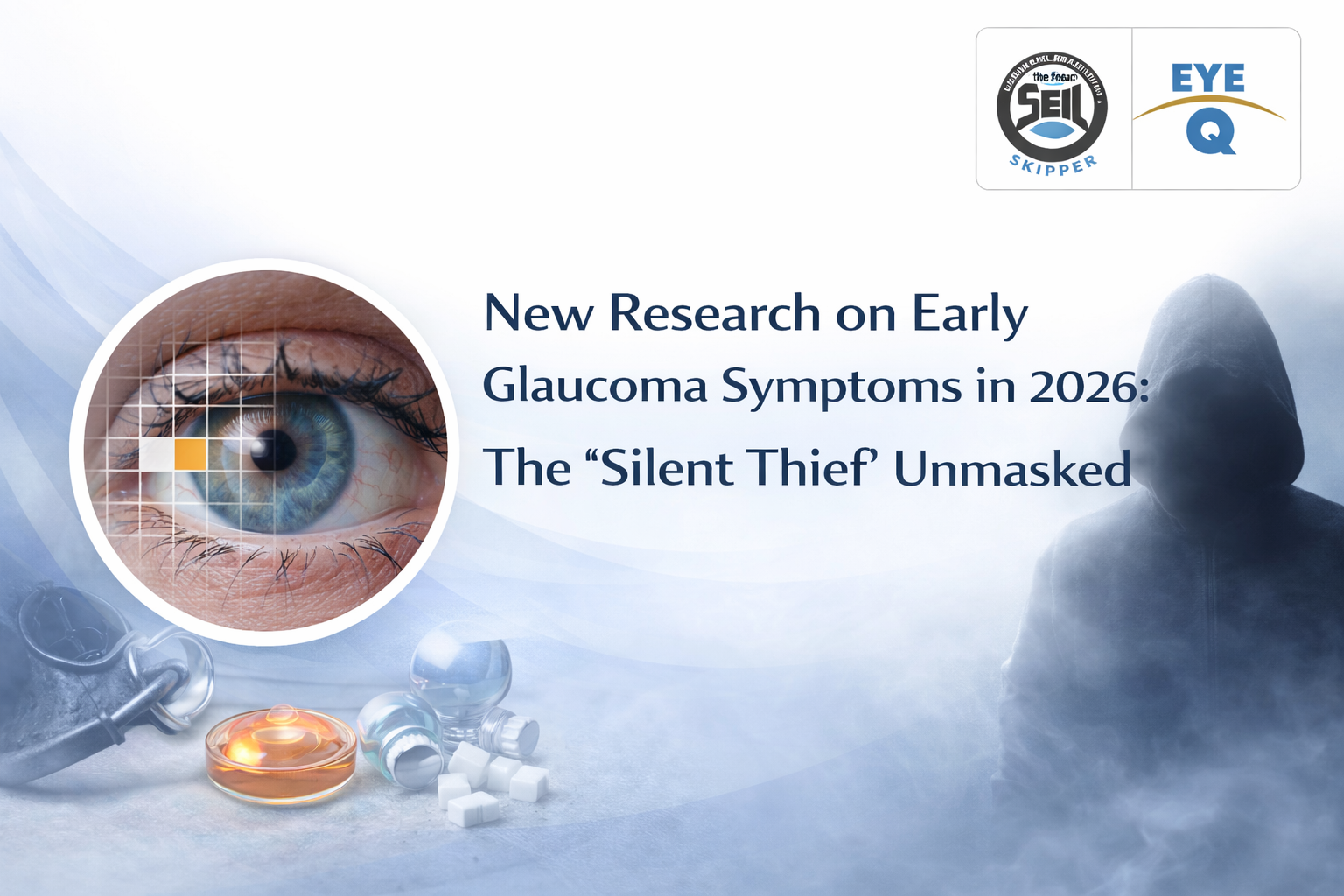
Glaucoma has long been known as the “silent thief of sight.” Traditionally, patients were told they would not notice anything until their side/peripheral vision started to go. In practice, that...
Read More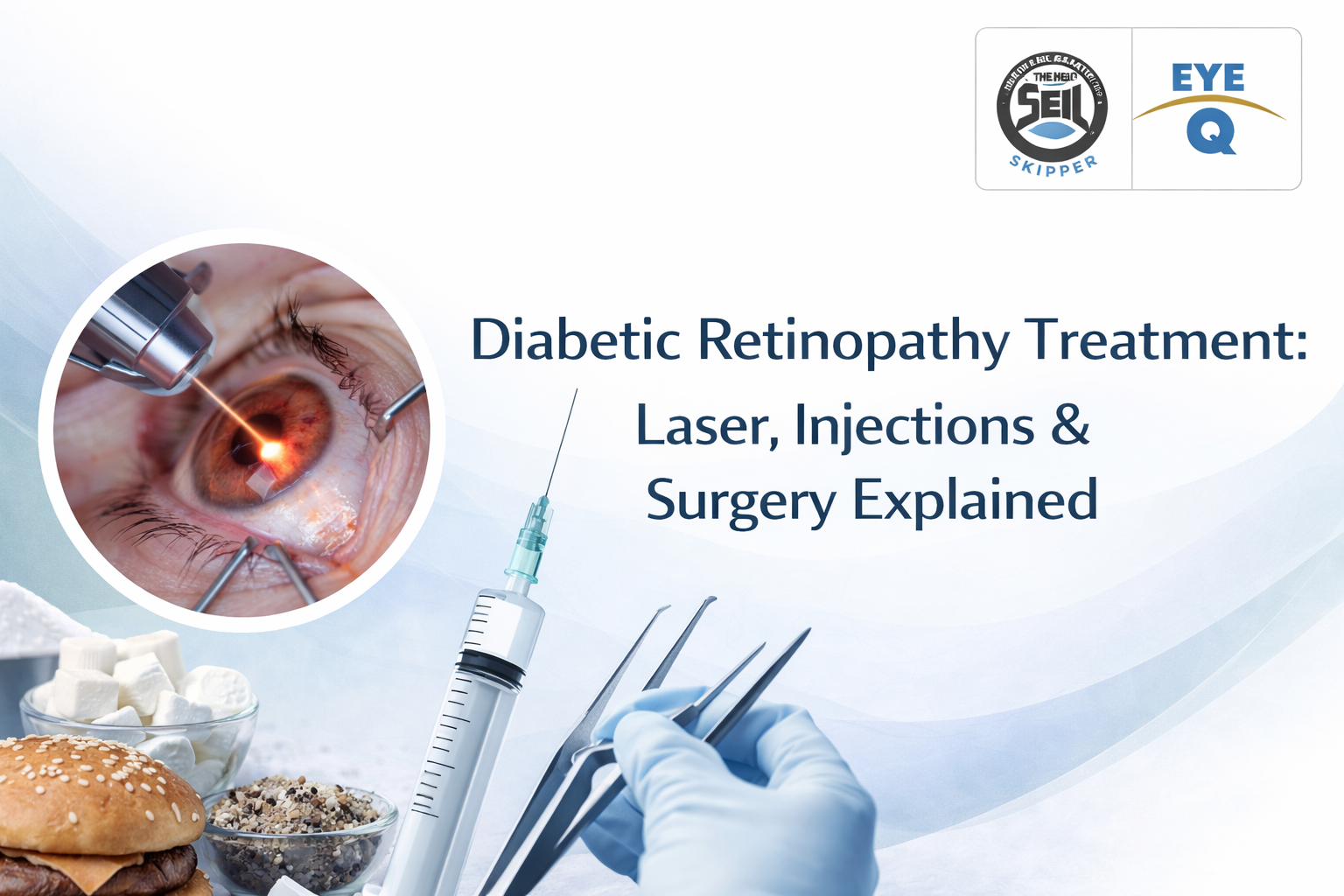
Diabetic retinopathy is a serious eye condition caused by long-term diabetes and is one of the leading causes of preventable blindness worldwide. It develops when high blood sugar damages the...
Read More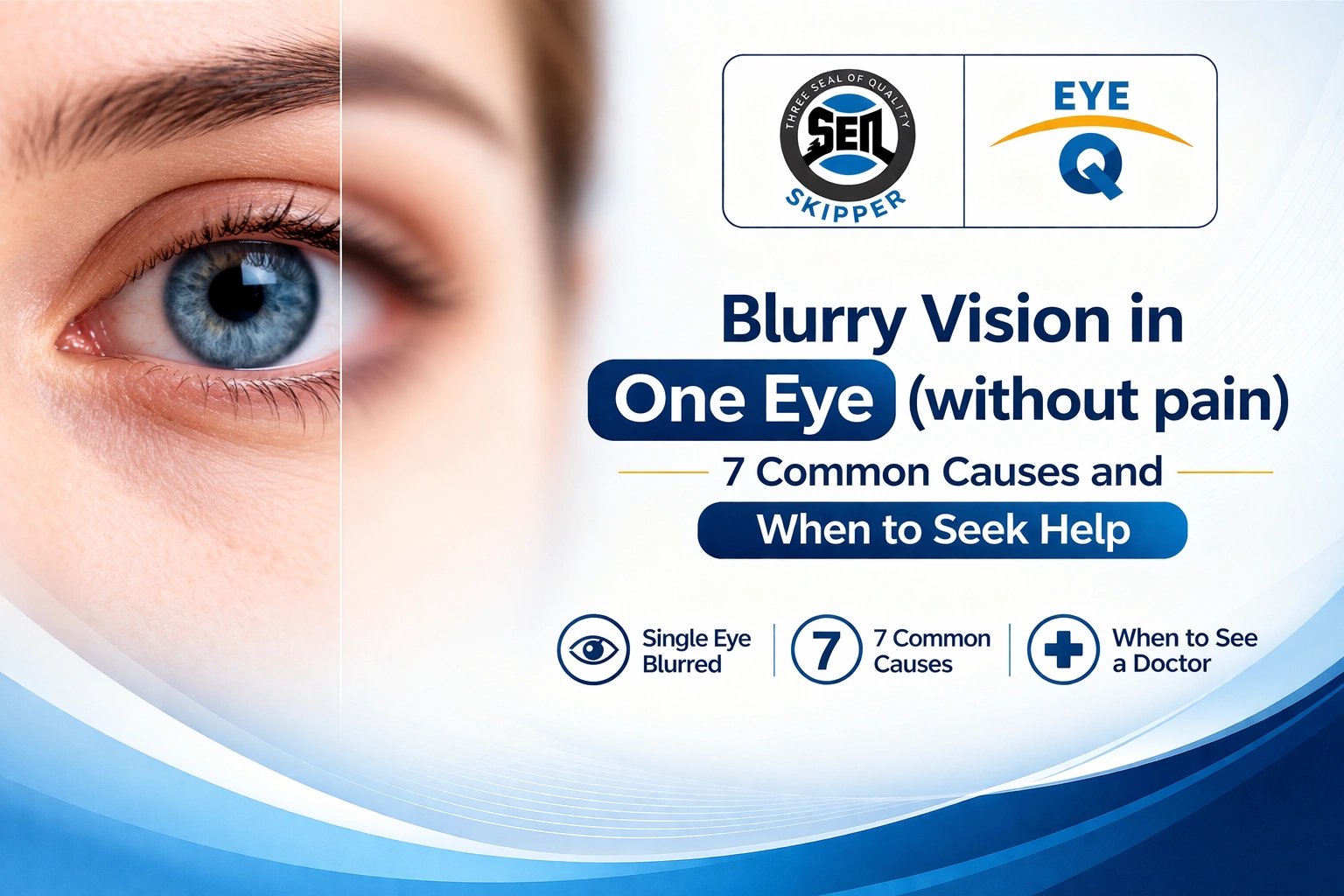
Blurry vision in one eye without pain is usually a sign of a specific problem with that eye—not fatigue or screen strain. It could indicate anything from a simple refractive change...
Read More