Have you had cataract removal surgery done recently, or are you thinking about having one? At Skipper Eye-Q Super Specialty Eye Hospital, our eye doctors offer excellent advice to hasten the healing of your eyes. Depending on your circumstances and how well you follow surgical instructions, recovery might take up to two months. Getting your eyes used to doing regular chores is one of the simplest strategies for dealing with your vision imbalance.
You may be confident that cataract surgery is both safe and very successful, particularly if you visit a reputable eye hospital like Skipper Eye-Q Super Speciality Eye Hospital. Still, how long does it take to heal from cataract surgery depends on the postoperative work.
Training your eyes after cataract surgery might help you heal faster. Our team of cataract surgeons has compiled important material, which includes activities to help your eyes get used to the replacement lens implants.
A cataract treatment is a correction of vision using laser surgery that involves the removal of your native eye lens and replacement with an artificial one. Your eye surgeon will assist you in determining which of the many lenses available will best meet your visual objectives.
You may leave the outpatient procedure a few hours later, with each eye taking fifteen to twenty minutes to operate on. After the surgery, our team will keep an eye on your recovery, respond to any concerns you might have, and give you thorough instructions on how to take care of yourself thereafter.
Adhering to the recommended postoperative protocols will determine, in part, excellent outcomes and how long does it take to heal from cataract surgery. To achieve the greatest outcomes and a pleasing visual effect, do the tasks listed below. You can return to your regular activities more quickly by using your surroundings as a training ground (without glasses or contacts!).
These are the 15 tips for training your eyes after cataract surgery:
Following a cataract treatment surgery, you may enhance your eyesight and promote a speedy recovery by adhering to your post-operative care regimen and these guidelines. During your recuperation, don’t forget to contact your eye doctor with any queries or if you encounter any strange symptoms.
It will be simpler to do the exercise by yourself now that you are aware of a few techniques for training your eyes after cataract surgery. Recall that engaging in these activities can aid in hastening your recuperation. Having the operation is already the culmination of your hard work. To get the greatest outcomes possible, it’s crucial to do these last tasks.
Stop right away if any of the above actions make you uncomfortable or if you have any further queries. If you feel pain or discomfort while performing these exercises, speak with your eye doctor before continuing. Depending on your medical background and present state of vision, your eye doctor can recommend a different set of exercises for you to perform after your cataract removal.
You can count on Skipper Eye-Q Super Speciality Eye Hospital to support you at every step of the process, from preoperative consultations to actual cataract treatment and beyond. Our cataract surgery experts provide the greatest care possible in terms of fostering a caring, supporting atmosphere and attending to your overall health and well-being.
When it comes to returning to your regular activities, heed the advice of your physician. A prescription from your doctor for eye drops and anti-infection drugs will be given to you. Additionally, our staff will educate you on things to avoid while recovering. We can promptly assess any potential surgical problems at every follow-up visit. If you still require spectacles or contact lenses, don’t forget to take benefit of our other offerings.
Our goal at Skipper Eye-Q Super Speciality Eye Hospital is to work with you to have the greatest eyesight possible following refractive cataract surgery. Together, we can choose the best care and treatments to help you see better.
Get in touch with us right now to arrange a consultation or to find out more about training eyes after cataract surgery. Our compassionate eye specialists will support you both during and after your cataract-removal surgery.



Glaucoma has long been known as the “silent thief of sight.” Traditionally, patients were told they would not notice anything until their side/peripheral vision started to go. In practice, that...
Read More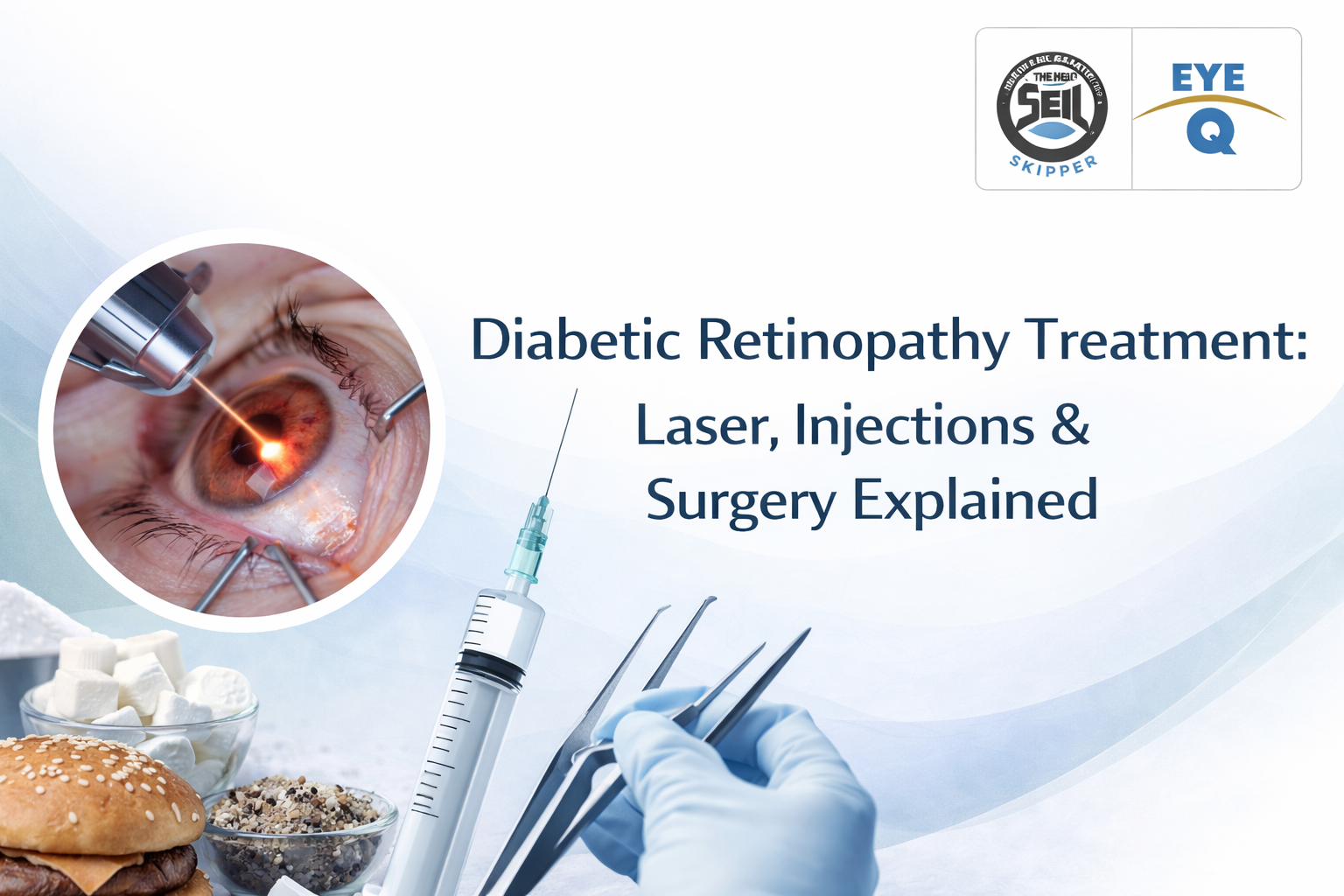
Diabetic retinopathy is a serious eye condition caused by long-term diabetes and is one of the leading causes of preventable blindness worldwide. It develops when high blood sugar damages the...
Read More
Blurry vision in one eye without pain is usually a sign of a specific problem with that eye—not fatigue or screen strain. It could indicate anything from a simple refractive change...
Read More