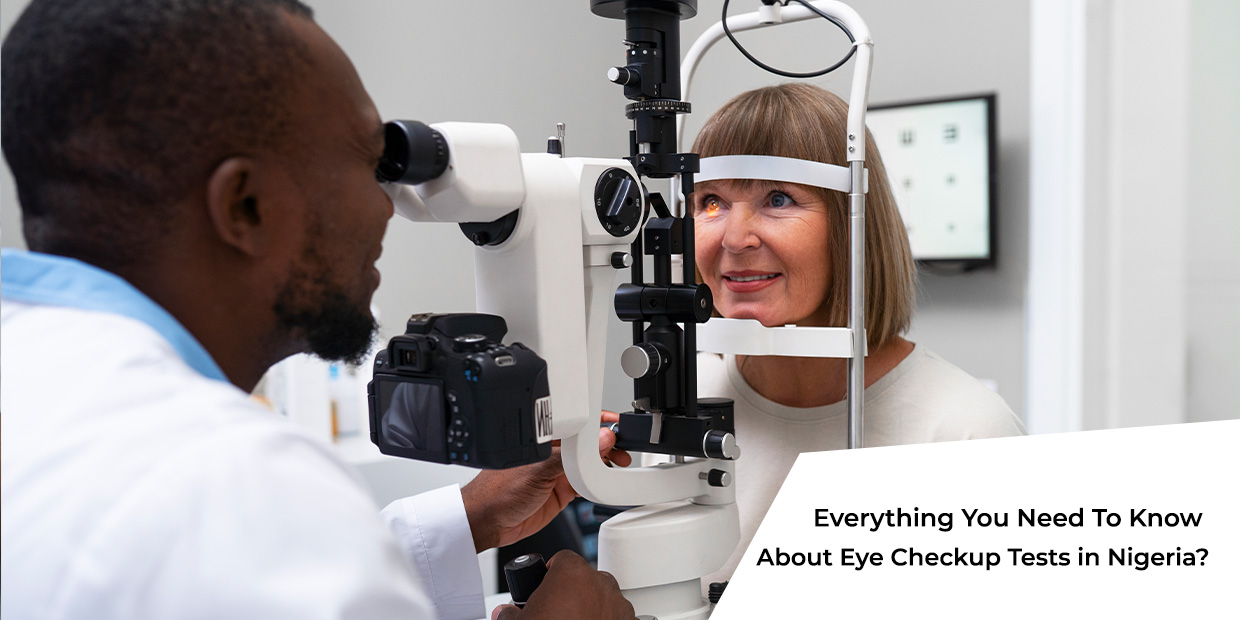
The eye is one of our body’s vital and complex organs that help to provide the comfort and pleasure of perfect vision. However, in today’s daily routine, our eyes are exposed to pollution, dust, and harmful pollutants, which can adversely affect the eyes’ health.
The eye checkup or routine eye checkup is the most common type of eye test your doctor may recommend to detect and correct vision problems at an early stage. Several eye problems and disorders, such as myopia, hyperopia, and astigmatism, can develop over time without any early warning signs and symptoms, leading to vision loss. Thus, it is vital to diagnose the early signs of any disease and initiate the treatment to protect your eyes with regular eye checkups and consultation with your eye specialist.
Eye checkups are usually painless and essential to maintaining good eye health. Both adults and children should visit the eye clinic at least once or twice in six months. During an eye examination, your eye doctor performs a variety of tests. Some tests check your vision and detect if your eyes need eye glasses or contacts. Other tests examine your eye’s health and check for eye disease that may affect your eyes. A test can help providers evaluate your overall health.
Your eye doctor will use special instruments, tools, or equipment to examine your eyes closely. These tests are not painful, but they may be a little uncomfortable. With regular eye checkups, your doctor can monitor changes in your vision that will detect the early signs of eye problems if you have and help you provide early eye treatment.
For children and adults, it is advisable to undergo a comprehensive eye examination twice or thrice a year. However, people with an elevated risk of eye-related issues may require more frequent eye checks. Consider scheduling more regular eye exams if you:
Your healthcare provider will conduct various examinations after asking about your health and family history. Some tests are designed to assess your vision, while others evaluate the overall health of your eyes, including the muscles and blood vessels surrounding them.
During an eye examination, your provider will illuminate your pupil to observe its dilation. The pupil, located at the center of your iris (the colored part of your eye), will be examined to gauge its responsiveness. Additionally, your provider will assess how well your eyes move, focus, and coordinate as a team. Standard tests conducted during an eye exam encompass:
After eye dilation, your vision may remain blurry for several hours, and your eyes will be more light-sensitive. During this period, avoiding activities such as driving, reading, and using screens is advisable. Wearing sunglasses is essential to shield your eyes from the sun, especially as your pupils return to their normal size. If dilation is not required, you can continue your regular activities immediately.
Ensure your loved ones devote as much as you do to proper eye care. We at Skipper Eye-Q invite you to make an appointment for regular checkups with our best eye specialist to prevent any conditions that might hamper your ability to see the world’s beauty.


Have you ever noticed tiny spots or threads floating across your vision when looking at a bright sky or a plain wall? Or perhaps you've seen sudden flashes of light,...
Read More
If you're dealing with pain in your right eye along with a headache, it's most often one of a handful of familiar causes a migraine, a tension headache, a sinus...
Read More
Apollo, medically referred to as conjunctivitis occurs from inflammation of the eye's transparent membrane, known as the conjunctiva. This inflammation is triggered by infection or irritation caused by bacterial, viral,...
Read More