March 15, 2026
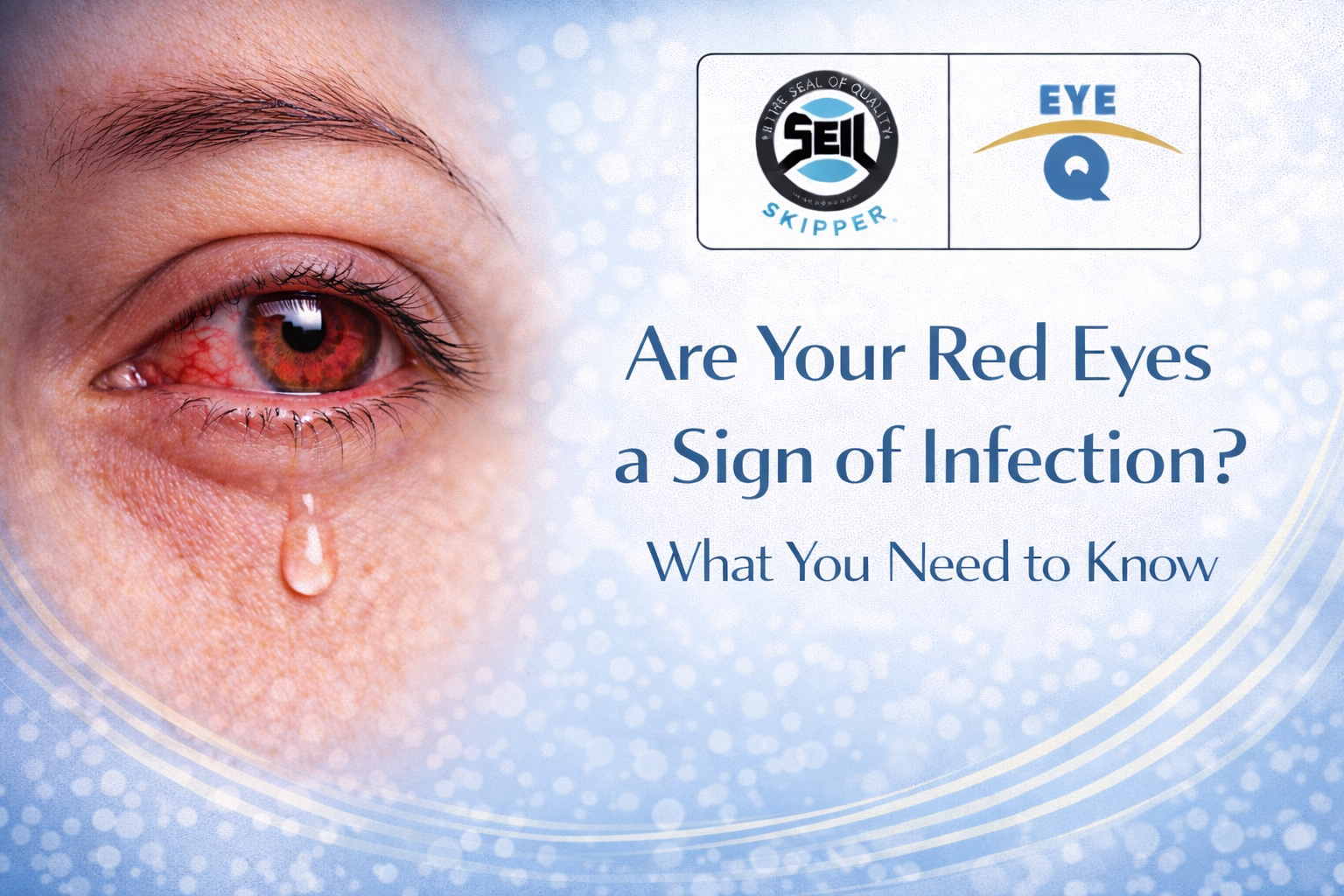
Red eyes can be unsettling. When you notice bloodshot whites, discomfort, or discharge, your first thought is likely: Is this an infection? While infections are a common cause of red eyes, they are far from the only one. Redness can result from minor irritation, allergies, dryness, or even serious conditions like keratitis.
Red eye can stem from inflammation, infection, allergies, trauma, or elevated intraocular pressure. To distinguish between urgent conditions and minor issues, it helps to evaluate accompanying symptoms such as pain, discharge, light sensitivity, and vision changes.
The conjunctiva is a thin, clear membrane covering the white part of your eye (sclera). Red eyes occur when blood vessels in this layer become dilated or irritated. This redness is a visible sign that something is bothering your eye.
Common causes include infections (viral, bacterial), allergies, dry eye, eye strain from screens, foreign objects, contact lens misuse, and inflammatory eye diseases.
Conjunctivitis, or inflammation of the conjunctiva, is the most common cause of infectious red eye. It comes in three types: viral (linked to cold/flu, highly contagious), bacterial (produces yellow/green discharge), and allergic (triggered by allergens, not contagious).
Symptoms include:
Viral conjunctivitis is highly contagious; allergic conjunctivitis is not.
Also Read : Conjunctivitis (Pink Eye): Causes, Symptoms, Treatment
Keratitis is inflammation of the cornea caused by bacteria, viruses, fungi, or parasites. Contact lens users are at higher risk, particularly with poor cleaning or overnight wear.
Key symptoms:
Keratitis is more serious than conjunctivitis and requires urgent professional care to prevent vision loss.
A stye is a localized bacterial infection of the eyelid’s oil glands. Symptoms include a red, painful bump, localized swelling, and sensitivity. Warm compresses usually help; persistent cases need professional evaluation.
Screen time, air conditioning, hormonal changes, and reduced blinking cause dry eyes. Symptoms include redness, gritty sensation, burning, and blurred vision. Relief comes from artificial tears and the 20-20-20 rule.
Also Read : How to Deal With Redness in One Eye Without Pain
Seasonal allergies cause watery, red, itchy eyes affecting both eyes equally, not contagious. Antihistamines and cold compresses help manage symptoms.
Also Read : Winter Allergies and Their Impact on Eye Health
A bright red patch appears under the conjunctiva when a small blood vessel ruptures. Though dramatic, it’s painless and harmless, fading within 1-3 weeks. Caused by forceful coughing, sneezing, or minor trauma.
Extended screen time causes redness, irritation, headaches, and blurred vision. The 20-20-20 rule and regular breaks prevent strain.
Seek immediate professional care if you experience severe eye pain, sudden vision loss, redness with extreme light sensitivity, eye injury, chemical exposure, or redness lasting more than 2-3 days.
For mild cases, cold compresses soothe irritation, warm compresses relieve styes, artificial tears hydrate dry eyes, and avoiding rubbing prevents spread. Remove contact lenses temporarily. Never self-medicate with antibiotic or steroid drops without a doctor’s prescription.
Wash hands frequently, avoid touching your eyes, never share eye makeup or towels, replace eye makeup every 3-6 months, clean contact lenses daily, follow lens wear schedules, and keep surfaces clean. Teaching children proper handwashing prevents viral outbreaks.
Children contract viral conjunctivitis frequently due to close contact at school. Early professional assessment prevents outbreaks.
During pregnancy, hormonal changes may cause mild redness or dryness. Persistent symptoms require prompt evaluation, as some infections need immediate treatment.
Myth 1: All red eyes need antibiotics.
False. Antibiotics don’t treat viral infections, allergies, or dryness.
Myth 2: Red eye always spreads to the other eye.
Not always. Contagious infections often spread, but allergies, dryness, and subconjunctival hemorrhage remain localized.
Myth 3: Red eye will disappear on its own.
Sometimes. Keratitis and corneal ulcers cause permanent vision damage if untreated. Early diagnosis is critical.
Also Read : What Does a Right Eye Pain and Headache Mean?
Red eye is a symptom, not a diagnosis. Our ophthalmologists use advanced diagnostic tools to distinguish infectious causes from benign conditions, ensuring you receive appropriate treatment without unnecessary medications or delays.
What sets us apart:
Red eye is a symptom demanding investigation. Infections like conjunctivitis and keratitis are common, but allergies, dryness, strain, and trauma are equally likely. Observe accompanying symptoms and seek professional evaluation if redness persists beyond 2-3 days.
Your eyes are vital to daily life. Don’t ignore persistent redness, but equally important: don’t self-diagnose. Early diagnosis and timely treatment make all the difference.
No. Redness can result from allergies, dry eye, strain, or trauma. Professional evaluation determines the cause.
Viral conjunctivitis typically includes watery discharge, eyelid crusting, and recent cold symptoms. Consult an eye doctor for confirmation.
Lubricating drops help with dryness. Antibiotic or steroid drops require a doctor’s guidance, as they can worsen infections.
If redness persists more than 2-3 days or is accompanied by pain, vision loss, light sensitivity, or eye injury.
Yes. Keratitis is more likely with overnight wear or poor cleaning. Remove lenses immediately if redness develops.


Have you ever noticed tiny spots or threads floating across your vision when looking at a bright sky or a plain wall? Or perhaps you've seen sudden flashes of light,...
Read More
If you're dealing with pain in your right eye along with a headache, it's most often one of a handful of familiar causes a migraine, a tension headache, a sinus...
Read More
Apollo, medically referred to as conjunctivitis occurs from inflammation of the eye's transparent membrane, known as the conjunctiva. This inflammation is triggered by infection or irritation caused by bacterial, viral,...
Read More