March 15, 2026
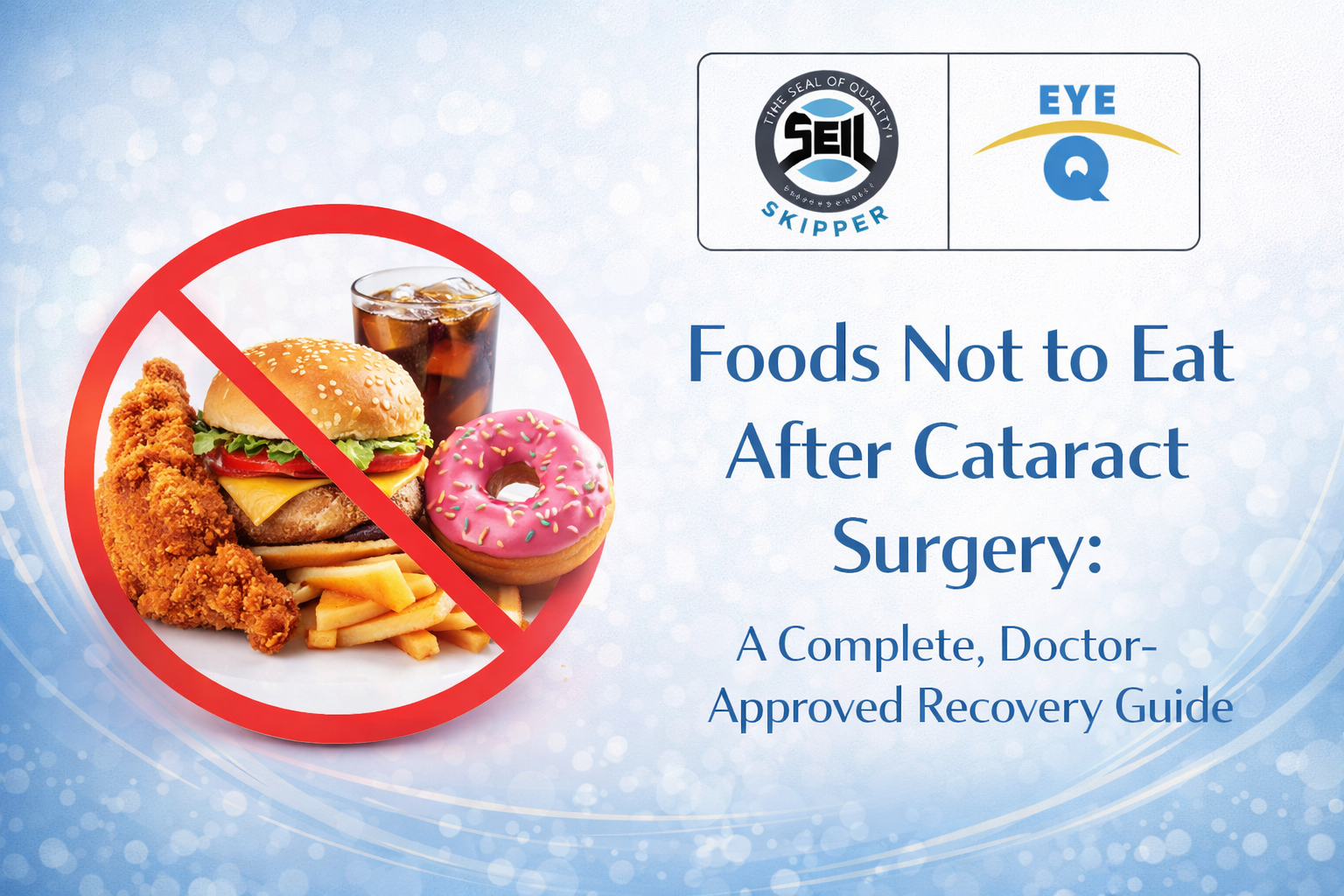
Cataract surgery is one of the most frequently performed eye procedures worldwide, with approximately 25-30 million surgeries completed annually. While the surgery itself takes only 30 minutes, the recovery process extends much longer. This guide explains which foods to avoid, why they harm recovery, and what to eat instead for faster healing.
Cataract surgery creates microscopic incisions in the eye that trigger your body’s natural healing response. The eye tissues experience mild inflammation, and your immune system works intensively to repair these incisions. During this critical healing window, your diet directly influences:
This is especially critical for patients with diabetes, hypertension, or digestive issues, who are already at higher risk for post-operative complications.
Sugary foods are the most damaging category during cataract surgery recovery. They cause rapid spikes in blood glucose, which directly impair wound healing and increase infection risk. Elevated blood sugar suppresses immune function and slows tissue repair—exactly what you don’t want during recovery.
Avoid these sugary foods and refined carbs:
Better alternatives: Choose whole grains, sweet potatoes, oats, and legumes for sustained energy without blood sugar spikes.
Frequent fried or heavy foods may not be ideal during recovery, especially if they worsen digestion or overall comfort. Deep-fried foods are high in trans fats and oxidized oils that suppress immune function and create digestive problems (bloating, acidity, constipation), all of which strain your healing system.
Avoid these fried foods:
Better alternatives: Choose steamed, grilled, baked, or lightly sautéed options cooked in healthy oils (olive oil, coconut oil). These keep inflammation low and improve blood circulation.
Spicy foods don’t directly damage your eyes, but they affect your entire system in ways that complicate recovery. Spicy foods trigger acidity, gastric irritation, increased sweating, facial flushing, and increased blood flow—all of which can slightly elevate intraocular pressure and worsen eye discomfort. They also trigger sneezing, coughing, or watering of the eyes, movements that strain healing incisions.
For the first 2-3 weeks after surgery, eat mild or non-spiced foods. Gradually introduce spices as your surgeon approves, typically after the critical healing window closes.
The American Heart Association recommends less than 2,300 mg of sodium daily, ideally closer to 1,500 mg. Excess salt intake causes fluid retention and elevated blood pressure—both complications that directly increase intraocular pressure and delay healing. This is especially dangerous for patients with hypertension.
Avoid these high-sodium foods:
Better alternatives: Season foods with fresh herbs, lemon juice, or low-sodium spices instead of salt.
Alcohol & Caffeine: It is sensible to avoid or limit alcohol immediately after surgery, particularly if taking medications. Regarding caffeine, moderation is generally recommended. Discuss specific dietary restrictions with your surgeon based on your individual health needs.
Instead of alcohol and caffeine, focus on proper hydration with water, coconut water, clear broths, herbal tea, and fresh juices. These support healing and maintain proper eye lubrication.
After surgery, your immune system is focused entirely on healing your eyes. Consuming raw or contaminated foods forces your immune system to fight infection instead of healing—a diversion you can’t afford during recovery. This can lead to serious complications.
Avoid these food safety risks:
Better alternatives: Eat thoroughly cooked, freshly prepared meals from clean kitchens. Wash fruits and vegetables thoroughly. Ensure proper food storage to prevent bacterial growth.
Most patients can return to a normal diet soon after routine cataract surgery unless their surgeon gives specific instructions. The timeline for dietary changes varies based on individual recovery and any underlying health conditions.
Always follow your surgeon’s specific recommendations. If they advise continuing strict dietary guidelines beyond 3 weeks, adhere to their guidance based on your individual healing progress.
Instead of avoiding foods, focus on eating nutrient-dense foods that actively support healing. Your post-surgery diet should include:
Blueberries, oranges, kiwi, mango, and pomegranate contain vitamins A, C, and E that reduce inflammation and support collagen formation for wound healing.
Spinach, kale, and broccoli contain lutein, zeaxanthin, and vitamin K—critical for eye health and tissue repair.
Boiled chicken, fish (rich in omega-3), eggs, lentils, and beans provide amino acids essential for tissue repair.
Oats, brown rice, whole wheat bread, and quinoa provide sustained energy and B vitamins for healing.
Almonds, walnuts, flaxseeds, chia seeds, and olive oil provide omega-3 and omega-6 fatty acids that reduce inflammation.
Drink plenty of water (8-10 glasses daily), coconut water, herbal tea, and fresh vegetable broths to maintain eye lubrication and support healing.
Soft oatmeal with blueberries and honey, or scrambled eggs with whole wheat toast
Fresh orange juice or banana
Steamed chicken breast with brown rice and boiled spinach
Almonds or a soft fruit like mango
Baked fish (salmon or mackerel) with sweet potato and steamed broccoli
Water, herbal tea, coconut water, and fresh vegetable broth
Diet is a powerful tool for post-operative recovery, but it’s only one part of the healing puzzle. Every patient is unique, and your specific dietary needs depend on pre-existing conditions like diabetes, hypertension, kidney disease, or food allergies. One-size-fits-all advice cannot account for these individual factors.
At Skipper EyeQ, our ophthalmologists and nutritionists work together to create personalized post-operative dietary plans tailored to your specific health profile. We provide detailed nutritional guidance during your recovery consultations, ensuring you eat foods that optimize healing specific to your body’s needs.
Diet is crucial, but recovery also requires:
What you eat during the first 2-3 weeks after cataract surgery directly influences your recovery speed, comfort level, and long-term vision outcomes. By avoiding inflammatory foods (sugary foods, fried foods, spicy foods, high-sodium foods, alcohol), maintaining proper hydration, and eating nutrient-dense foods rich in antioxidants, proteins, and healthy fats, you give your body the resources it needs to heal optimally.
Remember: While nutrition can help support your overall recovery, the most critical elements after cataract surgery are following your surgeon’s instructions on eye drops, maintaining good eye hygiene, and attending all follow-up appointments.
Yes, but carefully. You can eat 2-4 hours after surgery once local anesthesia wears off. Start with soft, cool foods (yogurt, soup, mashed potatoes). Patients can resume eating normally after cataract surgery. If your surgeon recommends any specific dietary precautions, they will let you know during your post-operative visit.
You can resume your normal diet after cataract surgery unless your surgeon advises otherwise. If you have existing health conditions like diabetes or hypertension, continue managing your diet according to those needs.
Absolutely. Diet directly influences inflammation, blood glucose, blood pressure, immune function, and wound healing. Maintaining good overall health, including proper nutrition and hydration, and managing conditions like diabetes, may contribute to your recovery after cataract surgery. This is particularly important if you have existing health concerns.
Yes. Diabetic patients must be especially strict about avoiding sugary and refined carbohydrate foods, as elevated blood glucose significantly impairs wound healing and increases infection risk. Consult your surgeon and endocrinologist for personalized dietary guidance.
You can typically enjoy moderate amounts of tea or coffee after surgery. If you’re concerned about how caffeine might affect your hydration or blood pressure, discuss this with your surgeon or follow your individual health guidelines.
Foods rich in vitamins A, C, E, zinc, and omega-3 fatty acids are ideal: salmon, sardines, spinach, kale, blueberries, oranges, almonds, walnuts, eggs, and chicken. These nutrients directly support collagen formation, reduce inflammation, and accelerate tissue repair.
Mild digestive issues can occur due to pain medications (antibiotics, anti-inflammatories). Eating soft, bland foods and avoiding fried/spicy foods helps. If digestive problems persist beyond 1 week, contact your surgeon. Adequate hydration is essential.


Have you ever noticed tiny spots or threads floating across your vision when looking at a bright sky or a plain wall? Or perhaps you've seen sudden flashes of light,...
Read More
If you're dealing with pain in your right eye along with a headache, it's most often one of a handful of familiar causes a migraine, a tension headache, a sinus...
Read More
Apollo, medically referred to as conjunctivitis occurs from inflammation of the eye's transparent membrane, known as the conjunctiva. This inflammation is triggered by infection or irritation caused by bacterial, viral,...
Read More