Have you ever woken up with red, itchy eyes and wondered what could be wrong? Conjunctivitis, commonly known as pink eye, is a widespread condition that affects millions every year. While it’s often not a serious problem, its symptoms can cause discomfort and inconvenience. Let’s break down everything you need to know about conjunctivitis in simple terms, including its causes, symptoms, and treatment options.
Conjunctivitis is the inflammation of the conjunctiva, the thin, transparent layer that covers the white part of your eye and the inside of your eyelids. When this layer gets irritated or infected, it leads to redness, swelling, and discomfort, which are the hallmarks of pink eye.
This condition can affect anyone, from children to adults, and is typically classified into different types depending on its cause.
Here are the main types of conjunctivitis:
Bacterial conjunctivitis is caused by bacteria such as Staphylococcus aureus, Streptococcus pneumoniae, or Haemophilus influenzae. This type of conjunctivitis is highly contagious and spreads through direct contact with infected hands or items that touch the eyes, like towels or makeup.
Usually linked to viruses like adenovirus, this type is also highly contagious and is often associated with the common cold. It spreads through respiratory droplets or direct contact with an infected person.
Allergic conjunctivitis occurs when the eyes react to allergens such as pollen, dust, pet dander, or mold. This type is not contagious and is often accompanied by other allergy symptoms like sneezing, a runny nose, and an itchy throat. It often occurs in people with other allergies, such as asthma or hay fever.
This form of conjunctivitis results from exposure to irritants such as smoke, chlorine in swimming pools, or chemical fumes. It is not contagious and typically resolves once the irritant is removed.
While the symptoms may vary based on the type, here are the most common ones:
If you notice these symptoms, it’s essential to address them promptly to prevent complications or the spread of infection.
If you suspect you have conjunctivitis, it is important to see a healthcare professional for an accurate diagnosis. The doctor will examine your eyes, take your medical history, and may take a sample of the discharge for laboratory analysis to determine the cause. This helps in choosing the appropriate treatment and preventing the spread of the infection. Sometimes, additional tests like slit-lamp examination or checking for foreign bodies in the eye may be conducted.
The treatment for conjunctivitis depends on the type:
Bacterial conjunctivitis is treated with antibiotic eye drops or ointments prescribed by a healthcare professional. It is crucial to complete the full course of antibiotics, even if symptoms improve, to ensure the infection is fully eradicated. Avoid sharing towels, washcloths, or pillows to prevent spreading the infection to others.
Since viral conjunctivitis usually resolves on its own, treatment focuses on relieving symptoms. Applying a cold compress to the eyes can help reduce swelling and discomfort. Artificial tears can also provide relief. It is important to avoid touching your eyes and to wash your hands frequently to prevent spreading the infection. If the conjunctivitis is caused by a more serious viral infection, such as herpes simplex, antiviral medications may be required.
For allergic conjunctivitis, avoiding the allergen is the best course of action. Antihistamine eye drops or oral antihistamines can help reduce symptoms. In some cases, a healthcare professional may recommend anti-inflammatory eye drops to relieve severe symptoms. Keeping windows closed during high pollen seasons can also help manage symptoms.
The best treatment for irritant conjunctivitis is to remove the source of irritation. Flushing the eyes with clean water can help remove the irritant. Avoid rubbing your eyes, as this can worsen the irritation. If symptoms persist, it is advisable to seek medical attention.
While medication is essential for some types of conjunctivitis, these simple remedies can provide relief and prevent the infection:
Prevention is always better than cure. Here are some practical tips to lower your chances of developing conjunctivitis:
While conjunctivitis is often a mild condition that can be managed at home, there are times when medical attention is necessary. You should see a healthcare professional if:
Delaying medical attention could lead to complications, especially if the infection spreads to other parts of the eye.
Conjunctivitis, though common, can be uncomfortable and disruptive. Understanding its causes and symptoms is crucial for timely treatment and preventing its spread. Whether it’s a bacterial, viral, allergic, or irritant-related condition, simple hygiene practices and prompt care can go a long way in managing the issue.
If you or your loved ones experience symptoms of conjunctivitis, don’t ignore them. With the right approach, you can ensure a quick recovery and healthy eyes.


Have you ever noticed tiny spots or threads floating across your vision when looking at a bright sky or a plain wall? Or perhaps you've seen sudden flashes of light,...
Read More
If you're dealing with pain in your right eye along with a headache, it's most often one of a handful of familiar causes a migraine, a tension headache, a sinus...
Read More
Apollo, medically referred to as conjunctivitis occurs from inflammation of the eye's transparent membrane, known as the conjunctiva. This inflammation is triggered by infection or irritation caused by bacterial, viral,...
Read More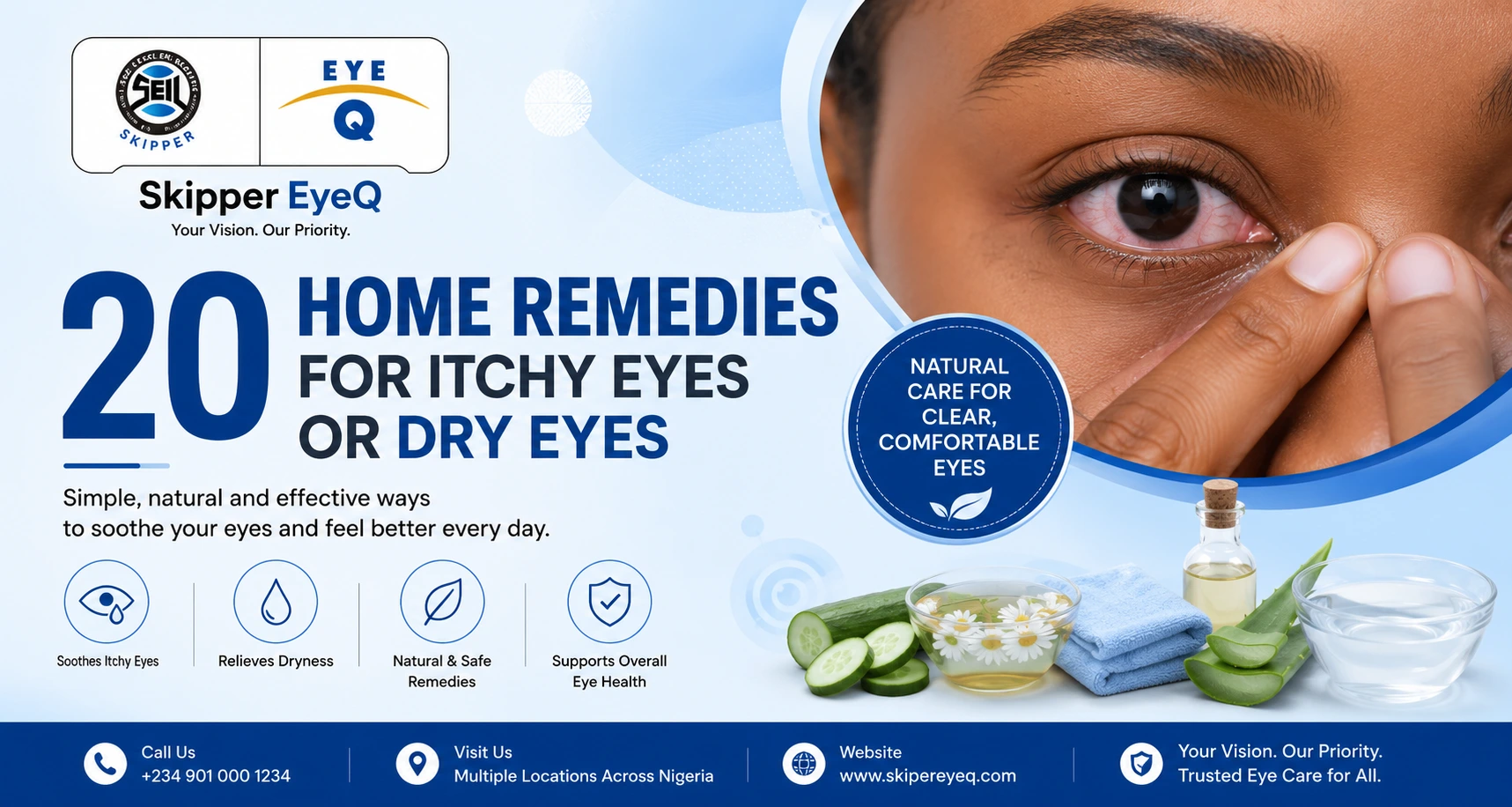
The terms “itchy eyes” or “dry eyes” describe a condition in which there is insufficient lubrication or moisture in the eyes, causing pain, itching, and irritation. Environmental factors, extended use of screens, ageing, and specific medical disorders are common reasons for itchy watery eyes. To provide the best possible eye health and comfort, Skipper Eye-Q International Eye Hospitals offer comprehensive care and cutting-edge treatments for a range of eye diseases, including dry eyes and itchy eyes.
Typical signs and symptoms include:
There are a variety of potential itchy eyes causes including :
For dry eyes or itchy eyes to be effectively managed and relieved, the underlying itchy eyes causes must be found.
Must Read – Dry Eye Syndrome: Causes, Symptoms, & Treatment
Home remedies for dry eyes provide all-natural ways to reduce irritation and enhance general eye health.
Must Read – Top 15 Common Eye Disorders and Diseases
If you don’t have eye drops on hand, a few of the remedies above work quickly on their own:
These steps won’t replace treatment for an underlying condition, but they’re the quickest drop-free way to settle occasional itchiness.
Itchy eyes and watery eyes often happen together, but they don’t always share the same cause, so it helps to tell them apart:
Rule of thumb: allergy-driven watering responds fastest to cold compresses and allergen avoidance; dryness-driven watering responds better to lubrication and rest breaks.
Several remedies already used for generations in Nigeria households line up well with the natural options above:
A note on safety: these are complementary, not curative — they ease mild irritation but won’t treat an infection, allergy, or dry eye condition on their own. Never put any of these substances (including rose water or milk) directly inside the eye; use them only on closed eyelids, and discontinue if irritation
To relieve symptoms and encourage healing, a variety of therapies may be recommended in cases of severe itchy watery eyes:
In cases of extremely dry and itchy eyes, these therapies are intended to relieve the immediate symptoms and improve ocular health. The best course of therapy should be decided upon in consultation with the knowledgeable ophthalmologists at Skipper Eye-Q International Eye Hospitals, taking into account each patient’s unique needs and the severity of their symptoms.
Must Read – Home Remedies for Itchy Eyes
Here are some more helpful techniques that might improve comfort and encourage relief:
1. Protection Against Environmental Irritants: Dryness and itching can be considerably exacerbated by environmental variables.
Wear wrap-around shades when you’re outside to shield your eyes from dust, wind, and pollen, all of which can cause irritation and increased tear production. Steer clear of smoky or perfumed areas, such as those with burning incense or scented sprays, as they can exacerbate eye dryness and itching. These barriers reduce discomfort and preserve moisture.
2. Take Regular Screen Time Breaks: Many individuals spend hours staring at screens without blinking sufficiently, which unintentionally exacerbates dryness. Screens slow down blinking, which causes irritation and tear evaporation. Simple methods consist of:
a) The 20-20-20 rule states that you should gaze at an item at least 20 feet away for 20 seconds every 20 minutes.
b) Blink exercises: To evenly distribute your tears, gently close and open your eyes multiple times while using a screen.
c) To avoid the need to open your eyes wide and avoid tear film tension, place screens a little below eye level.
3. Keep the optimum Indoor Humidity: Dry indoor air, particularly from heaters or air conditioners, can quickly erode your natural tear film, making dry eyes worse. By adding moisture to the air, a humidifier in your bedroom or office reduces tear evaporation and eases irritation. This approach is particularly helpful during the dry or winter months.
4. Eating and Drinking Right to Promote Eye Health: Tear production is more influenced by nutrition and hydration than most people realize. Increase Water intake as tear volume is supported by enough hydration.
Omega-3 fatty acids: Found in walnuts, flaxseeds, chia seeds, and fatty fish (such as salmon and sardines), these fats aid to enhance the oil layer of tears by lowering itching and evaporation.
5. Gently and frequently clean your eyelids: A healthy tear film is maintained by the meibomian glands, which are oil glands located at the edges of the eyelids. Dryness and discomfort may intensify if these glands are plugged. A mild eyelid hygiene regimen can help these glands:
6. Break from wearing Contact lenses: Dryness and itching can be greatly exacerbated by contact lenses, particularly in eyes that are sensitive or allergic. Until your symptoms improve, take breaks from contacts and switch to glasses.
To avoid irritation or contamination, do not apply eye drops right before putting in lenses. If your eye care professional advises it, choose scleral lenses, which are bigger lenses that vault over the cornea and retain moisture.
7. When Basic Home Care Is Insufficient: Dry eye syndrome or another ailment, like meibomian gland malfunction or allergic conjunctivitis, may be the cause of persistent dryness and itching despite screen breaks, hydration, and good hygiene. Because chronic dry eye may require prescription medications or specialist therapy, persistent symptoms should be evaluated by a professional.
These extra helpful added home care tips, which center on daily routines, surroundings, diet, and eye care practices, provide more assured and trusted resources than just compresses and water. They aid in addressing the root causes of dry and itchy eyes as well as their symptoms.
Dry and itchy watery eyes can be relieved with a few simple steps in addition to prescription treatments. To lessen eye strain during the day, these include taking frequent breaks from screens, avoiding smoking and windy conditions, and using a humidifier to bring moisture to the air. Using protective eyewear when participating in activities that might cause red eyes and donning wrap-around shades to shield the eyes from strong sunlight can also help reduce symptoms. Including these easy techniques in everyday activities can improve general eye health and comfort.
With Skipper Eye-Q International Eye Hospitals, find lasting relief from dry or itchy eyes. Our skilled ophthalmologists provide individualised care based on your requirements. Avoid letting ocular pain lower your standard of living. Make an appointment for a consultation right now to learn practical strategies for dry eyes and long-term eye health and comfort.
Home remedies are usually enough for occasional itchiness, but book an eye check if you notice any of the following:
Persistent or worsening symptoms can point to conditions like blepharitis, allergic or infective conjunctivitis, or meibomian gland dysfunction all of which respond much better to early treatment. A comprehensive eye examination can pinpoint the cause. Book a consultation with Skipper Eye-Q’s ophthalmologists if any of the above apply to you.
To quickly alleviate itchy eyes, try using over-the-counter artificial tears or lubricating eye drops. They can help wash away irritants and keep your eyes moist. Applying a cold compress can also provide immediate relief by reducing inflammation and soothing the itch. If your itchy eyes are due to allergies, taking an antihistamine can help control the symptoms.
Saltwater, or saline solution, can help cleanse the eyes by flushing out irritants and allergens. It’s gentle on the eyes and can provide temporary relief from itching. You can purchase sterile saline solution from a pharmacy or prepare a mild saline solution at home by mixing one teaspoon of salt in a liter of distilled or boiled (then cooled) water. However, avoid using too much salt or unclean water, as this can cause further irritation.
Rubbing your eyes can worsen the irritation and even damage the delicate tissues. To stop the habit, try these tips:
Yes, ice can help relieve itchy eyes. The cold temperature reduces inflammation and numbs the area, providing temporary relief from itching. You can wrap some ice cubes in a clean cloth and apply them to your closed eyelids for a few minutes. This can help reduce swelling and soothe the discomfort.
It’s not advisable to apply ice directly to your eyes, as it can cause frostbite or damage the delicate skin around your eyes. Instead, always wrap the ice cubes in a clean, soft cloth before applying them to your closed eyelids. This method will provide the benefits of the cold temperature without the risk of injury.
A cold compress is the fastest drop-free option press a chilled, damp cloth over closed eyes for 5–10 minutes. Rinsing with cool water, avoiding rubbing, and resting your eyes away from screens also help calm itching without any product.
Identify whether the trigger is allergy-related (pollen, dust, pet dander) or dryness-related (screens, dry air). For allergies, a cold compress plus avoiding the allergen works fastest. For dryness, blinking exercises and lubricating drops are more effective. See a doctor if both symptoms persist beyond a few days.
See an eye doctor if itching lasts more than 2–3 days, is accompanied by discharge, pain, blurred vision, or eyelid swelling, or started after an injury or while wearing contact lenses these can signal an infection or condition that needs treatment beyond home care.
Have you ever noticed tiny spots or threads floating across your vision when looking at a bright sky or a plain wall? Or perhaps you've seen sudden flashes of light,...
Read More
If you're dealing with pain in your right eye along with a headache, it's most often one of a handful of familiar causes a migraine, a tension headache, a sinus...
Read More
Apollo, medically referred to as conjunctivitis occurs from inflammation of the eye's transparent membrane, known as the conjunctiva. This inflammation is triggered by infection or irritation caused by bacterial, viral,...
Read More