Ever noticed sudden flashes of light in your vision, even when there’s no actual light source? Many people brush it off, thinking it’s just a momentary eye strain or tiredness. Flashes can be due to traction or tearing in retina and can also precede migraine but what if these flashes are a warning sign of something more serious for our heart, like high blood pressure?
Hypertension, commonly known as high blood pressure, affects millions of people in India. While most are aware of the risks it poses to the heart and kidneys, not many know that it can also impact vision. In some cases, those tiny flashes of light could be a signal that your blood pressure is affecting the delicate blood vessels in your eyes. Ignoring this symptom can lead to serious complications, including vision loss.
If you experience flashing lights frequently, understanding the link between your vision and blood pressure is crucial. Let’s explore how hypertension can affect your eyes and what you can do to protect your vision.
High blood pressure, or hypertension, occurs when the force of blood against the artery walls is consistently too high. Over time, this pressure can damage blood vessels throughout the body, including those in the eyes. The retina, the light-sensitive tissue at the back of the eye, relies on a network of tiny blood vessels to function properly. When these vessels are affected by hypertension, it can lead to a condition called hypertensive retinopathy.
Hypertensive retinopathy can cause symptoms like:
If left unchecked, this condition can result in permanent vision damage. That is why recognizing early symptoms and seeking medical help is so important.
Flashing lights in vision, also known as photopsia, can occur due to several reasons, including retinal issues, migraines, or neurological conditions. However, in people with high blood pressure, these flashes are often caused by retinal vascular damage. Here’s how it happens:
If you frequently see sudden flashes, it’s not something to overlook. A comprehensive eye exam can determine if high blood pressure is affecting your vision.
Blood pressure can have a great impact on eye health leading to diseases which can hinder eye sight in case they are not taken care of. Patients occasionally report having visual disturbances, and the question is Can high blood pressure make the lights flash over the eyes? The response is affirmative; unskilled high blood pressure may also cause some alterations to the retina, such as flashing lights, blurred vision, and other issues. The knowledge of the treatment options for these eye disorders is important in maintaining vision and general eye health.
Hypertensive optic neuropathy is a complication that occurs when the optic nerve is damaged by high blood pressure. To prevent irreversible damage to vision, there is a need to detect it in time. Treatment is mostly aimed at the management of systemic blood pressure by lifestyle alteration and medications like ACE inhibitors, beta-blockers, or calcium channel blockers. Besides, ophthalmologists can suggest close observation of the optic nerve, which can be accomplished with the help of such imaging methods as OCT (optical coherence tomography) and visual field tests. Severe cases can be treated with steroids or other neuroprotective measures to reduce swelling around the optic nerve.
Hypertensive choroidopathy is used to control when high blood pressure impacts the choroid, the vascular layer of the eye, which normally results in fluid leakages and retinal detachment. Patients can experience flashing lights in vision or blurred objects. The goals of treatment are to treat the underlying hypertension in an aggressive manner and stabilize the fluid accumulation. Ophthalmologists could order oral or topical drugs to help decrease inflammation and swelling. Laser therapy has been applied to treat minute retinal lesions. It is essential to follow up to ensure the resolution is achieved so that the visual impairment is not irreversible.
This treatment involves preventing the retinal vein by using anticoagulant therapy. High blood pressure can be a cause of retinal vein occlusion, whereby blood ceases flowing in the retinal veins, leading to hemorrhage and macular edema. The flashing lights, dark spots, or sudden visual changes may occur in patients. Therapy is oriented to control the underlying hypertension, to control the macular edema with the help of intravitreal injections of anti-VEGF agents or corticosteroids, and laser therapy in some cases. The medical treatment is complemented by lifestyle modifications such as weight control, reduced salt, and frequent physical exercises in order to clear recurrent.
Individuals who complain about the existence of flashing lights, floaters, or sudden vision changes must seek immediate eye treatment. Even though the reason for the flashing lights in the vision might be associated with benign factors, in the case of hypertensive patients, the signs would be an indicator of retinal tears or vascular complications, which require urgent therapy. Some of the key interventions to ensure a reduction in the ocular complications include eye checkups, blood pressure checks, and adherence to antihypertensive treatment.
The multiple effects of high blood pressure on the eye include optic neuropathy, choroidopathy, and occlusion of the retinal veins. The maintenance of the vision is vital and should be guaranteed through the control of blood pressure and special ophthalmic treatments. We can determine the warning signs, i.e., the appearance of flashing lights or the abrupt shift in the visual acuity, which can be avoided to prevent the inevitability of the damage. This is through the collaboration of care between health practitioners and eye experts, since this will give the most intended outcomes in patients with eye disorders associated with high blood pressure.
Apart from hypertensive retinopathy, prolonged high blood pressure can contribute to several other eye problems:
High blood pressure can reduce blood supply to the optic nerve, leading to ischemic optic neuropathy. This can cause sudden vision loss, particularly in one eye, and is considered a medical emergency.
This condition occurs when high blood pressure leads to fluid accumulation beneath the retina, causing distorted or blurred vision. While it’s rare, it can have long-term effects on vision if not treated.
Chronic hypertension can increase the risk of a retinal vein blockage, leading to sudden vision loss or distorted vision. This condition is often described as a “stroke in the eye.”
Certain people are more prone to developing high blood pressure-related eye issues. You might be at risk if you:
If you belong to any of these categories and notice changes in your vision, it’s crucial to consult an eye specialist without delay.
The good news is that managing blood pressure can significantly reduce the risk of eye complications. Here are some steps you can take to maintain good eye health:
If you experience any of the following symptoms, it’s time to see a doctor:
Timely intervention can prevent serious complications, including permanent vision loss.
An ophthalmologist can detect hypertensive retinopathy through a comprehensive eye exam. Some of the tests that may be conducted include:
These tests help determine the extent of damage and guide further treatment.
The primary approach to treating hypertensive eye issues is controlling blood pressure. Doctors may recommend:
Flashing lights in your vision are not something to ignore. They can be a warning sign of hypertensive retinopathy or other serious eye conditions linked to high blood pressure. Since hypertension often goes unnoticed until complications arise, regular eye checkups can play a crucial role in early detection.
If you have high blood pressure and experience visual disturbances, consult an eye specialist at Skipper Eye-Q International Eye Hospitals today. With advanced diagnostic tools and expert ophthalmologists, you can ensure the best care for your vision. Book your appointment now and protect your eyesight before it’s too late!


Have you ever noticed tiny spots or threads floating across your vision when looking at a bright sky or a plain wall? Or perhaps you've seen sudden flashes of light,...
Read More
If you're dealing with pain in your right eye along with a headache, it's most often one of a handful of familiar causes a migraine, a tension headache, a sinus...
Read More
Apollo, medically referred to as conjunctivitis occurs from inflammation of the eye's transparent membrane, known as the conjunctiva. This inflammation is triggered by infection or irritation caused by bacterial, viral,...
Read More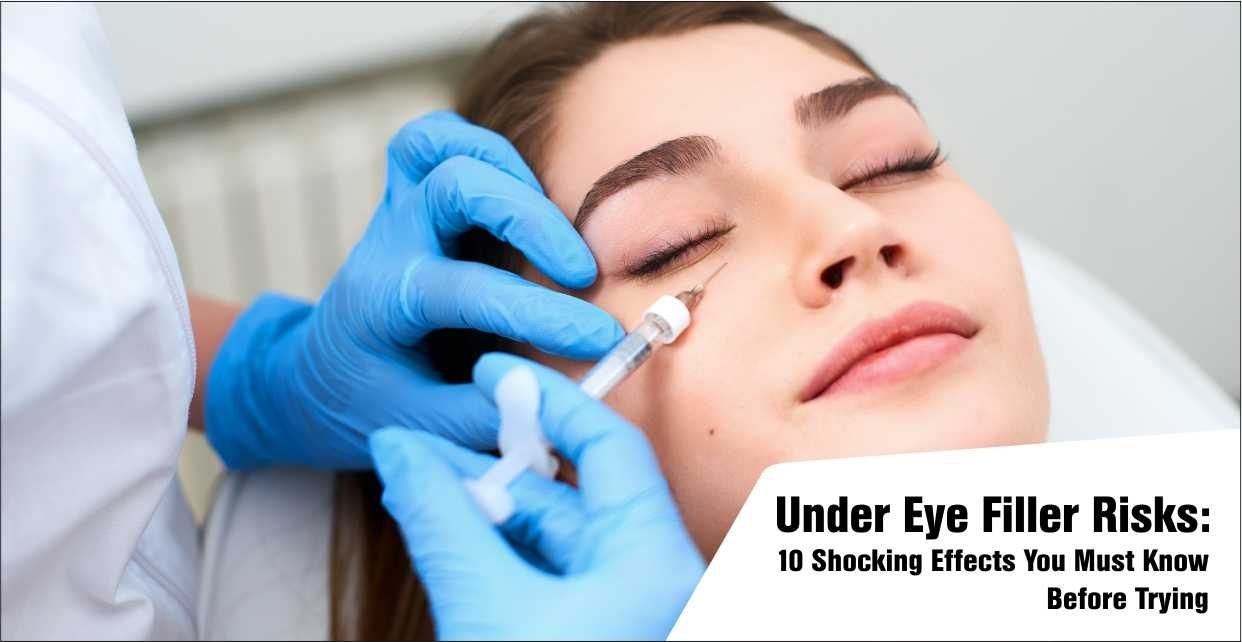
Do dark circles and under-eye hollows make you look tired even after a full night’s sleep? Many people consider under-eye fillers as a quick fix for a refreshed look. With social media filled with before-and-after transformations, it’s tempting to believe that under-eye fillers are a magic solution. But are they safe?
While fillers can provide temporary improvement, they come with complications that should not be ignored. If you are considering getting under-eye fillers, it is essential to understand the possible side effects before making a decision.
Here are ten shocking effects that you must be aware of before opting for this cosmetic procedure.
One of the most common side effects of under-eye fillers is swelling and bruising. Since the under-eye skin is delicate, the injection process can cause minor trauma to the blood vessels, leading to bruising. Swelling may last for a few days, and in some cases, it can persist for weeks. Patients using blood-thinning medications or those with sensitive skin are more likely to experience these effects.
Improper injection technique or excessive filler placement can result in lumps or uneven texture under the eyes. The area might appear bumpy or swollen, creating an unnatural look. While some cases resolve on their own, others may require corrective procedures such as massage or dissolving the filler using hyaluronidase.
A poorly injected filler can lead to a bluish discoloration known as the Tyndall effect. This occurs when the filler is placed too superficially under the thin skin, causing light to scatter in a way that creates a blue or grayish appearance. This can be quite noticeable and may require corrective treatment.
Any injection carries a risk of infection, and under-eye fillers are no exception. If the procedure is not done in a sterile environment or by an experienced professional, bacteria can enter the injection site, leading to redness, swelling, and even abscess formation. Additionally, some patients may develop allergic reactions to the filler material, leading to itching, rashes, or severe inflammation.
While most dermal fillers contain lidocaine to minimize pain, some patients still experience discomfort during and after the procedure. The under-eye area is highly sensitive, and injections can cause temporary tenderness. In some cases, persistent pain may indicate an underlying issue such as nerve irritation or improper filler placement.
Over time, fillers can shift from their original position, leading to puffiness or unnatural bulging in the under-eye region. This occurs when the filler moves due to gravity, muscle movement, or poor placement. Correcting migrated fillers may require dissolving the product and re-injecting it properly.
One of the most serious under eye fillers is the possibility of vascular occlusion. If the filler is accidentally injected into a blood vessel, it can block blood flow and cause severe complications, including skin necrosis (tissue death) and even blindness. Although rare, these risks highlight the importance of choosing a highly skilled medical professional for the procedure.
Some patients experience prolonged puffiness or under-eye bags after getting fillers. This can happen when the filler attracts water (hyaluronic acid-based fillers are hydrophilic), leading to an overly swollen appearance. In some cases, this effect may persist for months, requiring corrective treatment.
In some individuals, small lumps or nodules can develop weeks or even months after the procedure. These may be caused by an immune response to the filler material, resulting in granuloma formation. Treatment may involve steroid injections or dissolving the filler.
When too much filler is used or if it is injected incorrectly, the under-eye area can look puffy, unnatural, or even worse than before. Overfilled under-eyes can create a “pillow face” effect, making a person appear older rather than younger. This issue often requires correction, which may involve dissolving the excess filler and re-evaluating the treatment approach.
While fillers can work well for some, they are not suitable for everyone. You should avoid under-eye fillers if:
Under-eye fillers, also known as non-surgical fillers, are favored to fill the hollowness, dark circles, and the ill appearance of the eyes. Knowing how every step of the procedure works for the creation of realistic expectations, increasing the level of safety, and improving the outcomes.
It starts with an elaborate consultation process. Your provider will examine the anatomy of the under-eyes, the thickness of the skin, the loss of volume, and how hollows or shadows form. Not all people are good candidates; patients with bulky bags under their eyes, with serious pigmentation, or with substantial skin laxity might need another treatment.
The patients usually pose such a question at this point, Is under-eye filler safe? The procedure is safe when administered by an experienced, qualified injector, with the help of proper fillers of hyaluronic acid. An extensive medical history is conducted to exclude bleeding disorders, autoimmune diseases, or active infections.
The patients are usually advised to stop taking blood-thinning medications, alcohol, and some supplements several days before treatment to reduce the possibility of bruising and swelling. There are also clear expectations about the results and limitations that are discussed.
The therapy lasts 20-40 minutes. To make it comfortable, one can use a numbing cream. Depending on technique and anatomy, an injector can be a fine needle or a blunt-tipped cannula.
Filler is inserted in small dots and at the right place of the anatomical plane to create volume and make the tear trough look smooth. It is a conservative method because the area under the eyes is sensitive, and it tends to overfill. A majority of the patients report a mild type of pressure and not pain during injection.
The improvement in the short term may be observable, but final outcomes may be obscured in the short term by swelling.
Mild swelling, redness, or bruising occurs after the procedure and may go away after a few days. Swelling can be reduced by the use of a cold compress and sleeping with the head raised. Patients have been encouraged to keep off vigorous exercise, overheating, alcohol, and sneezing into the eyes for a period of 24-48 hours.
The settling of the filler takes one to two weeks to give final results. When properly applied, the consequences look natural, fresh, and balanced instead of inflated or excessive.
In most cases, under eye fillers side effects long term are questioned by the patients. Although there are not many serious complications, long-term problems like filler migration, swelling, lumps, or discoloration may occur in case of inappropriate technique or choice of the product. The hyaluronic acid fillers have an added safety benefit of being dissolvable in case of need.
Consistent follow-ups with the provider will assist in the monitoring of the results and correction of the concerns at the initial stages. The maintenance treatments are generally required once in 9-18 months, depending on the filler and personal metabolism.
If you still want to proceed with under eye fillers, follow these precautions to minimize risks:
If you are hesitant about getting fillers, there are other options to improve the under-eye appearance:
Under-eye fillers can provide quick results, but they are not without risks. Many patients regret getting fillers due to complications like swelling, lumps, and unnatural appearances. Before going ahead with the procedure, consult a trained medical professional who can assess whether fillers are the right choice for you.
If you are concerned about under-eye hollowness or dark circles and are looking for expert guidance, visit Skipper Eye-Q International Eye Hospitals. Our specialists can provide safe and effective recommendations based on your individual needs. Book an appointment today and ensure your eyes get the best care possible!
Have you ever noticed tiny spots or threads floating across your vision when looking at a bright sky or a plain wall? Or perhaps you've seen sudden flashes of light,...
Read More
If you're dealing with pain in your right eye along with a headache, it's most often one of a handful of familiar causes a migraine, a tension headache, a sinus...
Read More
Apollo, medically referred to as conjunctivitis occurs from inflammation of the eye's transparent membrane, known as the conjunctiva. This inflammation is triggered by infection or irritation caused by bacterial, viral,...
Read More
When it comes to a child’s health, parents often focus on diet, exercise, and academic performance. However, one area that often gets overlooked is eye health. August is recognized as Children’s Eye Health and Safety Awareness Month, an important time to highlight the significance of eye care in children. Given how crucial vision is for learning and overall development, ensuring the well-being of a child’s eyes should be a priority.
Children’s eye health plays a vital role in their overall development. From the moment they start recognizing faces to when they begin reading and writing, their eyes are constantly at work. Vision problems can lead to difficulties in school, low self-esteem, and even behavioral issues if left unaddressed.
Many vision problems in children can be corrected if detected early. Conditions like amblyopia (lazy eye) and strabismus (crossed eyes) can be effectively treated if caught in time. Pediatricians often perform basic eye screenings during regular check-ups, but a comprehensive eye exam by an optometrist or ophthalmologist is recommended at least once before your child starts school.
It can be challenging to detect vision issues in children, especially since they may not realize something is wrong. Parents should watch for signs such as:
If you notice any of these signs, it’s important to schedule an eye exam promptly.
Understanding common eye conditions can help parents take the right steps toward ensuring their child’s eye health.
Refractive errors, including nearsightedness (myopia), farsightedness (hyperopia), and astigmatism, are the most common vision problems in children. These conditions occur when the shape of the eye prevents light from focusing correctly on the retina. Eyeglasses or contact lenses can usually correct these errors.
Amblyopia occurs when one eye doesn’t develop proper vision, usually due to a lack of coordination between the eyes. It can lead to permanent vision loss in the affected eye if not treated early. Treatment often involves patching the stronger eye to encourage the weaker one to work harder.
Strabismus is a condition where the eyes do not align properly, leading to one eye turning in a different direction from the other. This can cause double vision and, if untreated, may result in amblyopia. Treatment may include glasses, eye exercises, or surgery in severe cases.
Conjunctivitis is an inflammation of the conjunctiva, the clear tissue covering the white part of the eye and the inside of the eyelids. It can be caused by infections, allergies, or irritants and is highly contagious.
Color blindness is a genetic condition that affects the ability to distinguish between certain colors, typically reds and greens. While there is no cure for color blindness, children can be taught coping strategies to help them navigate a world designed for those with full-color vision.
Children are naturally curious and active, which puts them at risk for eye injuries. Eye safety is just as crucial as eye health, and both need to be a focus throughout the year.
Whether your child plays sports, works on school projects, or engages in outdoor activities, protective eyewear is essential. Sports like cricket, badminton, and tennis, along with hobbies like woodworking or science experiments, can expose children to potential eye injuries. Make sure your child wears safety goggles or sports glasses made of polycarbonate, a highly impact-resistant material.
Prolonged exposure to the sun’s UV rays can damage the eyes and increase the risk of cataracts and other eye conditions later in life. Ensure your child wears sunglasses that block 100% of UVA and UVB rays whenever they are outside. A wide-brimmed hat can also provide additional protection.
With the increasing use of digital devices, children are spending more time in front of screens than ever before. This can lead to digital eye strain, characterized by symptoms such as dry eyes, headaches, and blurred vision. Encourage regular breaks, following the 20-20-20 rule: every 20 minutes, have your child look at something 20 feet away for at least 20 seconds. Also, ensure that screens are at an appropriate distance and height to reduce eye strain.
It’s essential to carefully inspect toys before purchasing them, ensuring they are well-constructed and free from any sharp or rough edges. Additionally, small parts can easily break off and be swallowed, leading to choking or other injuries. Always opt for toys that are age-appropriate and clearly labeled as safe for your child’s age group.
Incorporating healthy habits into your child’s daily routine can significantly impact their eye health. Here are some tips to keep your child’s eyes in top condition:
A diet rich in vitamins and nutrients is essential for maintaining good eye health. Foods high in Vitamin A, such as carrots, spinach, and sweet potatoes, are particularly beneficial. Omega-3 fatty acids, found in fish like salmon and flaxseeds, also support eye health. Encourage your child to eat a variety of fruits, vegetables, and whole grains to ensure they get the necessary nutrients.
Reading or doing homework in poor lighting can strain the eyes. Make sure your child’s study area is well-lit, with light coming from behind or over the shoulder to reduce glare. Adjustable desk lamps can provide focused lighting for tasks like reading or drawing.
Spending time outdoors is not only good for overall health but also beneficial for the eyes. Research suggests that children who spend more time outdoors have a lower risk of developing myopia. The natural light and the opportunity to focus on distant objects can help in maintaining good vision.
Educate your child about the importance of protecting their eyes. Teach them not to rub their eyes with dirty hands, avoid looking directly at the sun, and wear protective eyewear during activities that pose a risk of eye injury. It’s also important to instill a habit of wearing sunglasses when outdoors.
Schools play a crucial role in promoting eye health and safety. With children spending a significant portion of their day at school, educators and administrators can contribute to eye health awareness and protection.
Schools should conduct regular vision screenings to identify students who may have vision problems. Early detection can make a significant difference in a child’s academic performance and overall well-being. Collaborating with local health departments or eye care professionals can help facilitate these screenings.
Incorporating eye health education into the curriculum can raise awareness among students about the importance of taking care of their eyes. Schools can organize workshops, distribute informational pamphlets, or invite eye care professionals to speak with students. Awareness programs can also include information on preventing digital eye strain, especially as more schools adopt digital learning tools.
Ensuring a safe school environment is key to preventing eye injuries. Teachers should supervise activities where eye injuries are a risk, such as during physical education classes or science experiments. Providing the necessary safety equipment, like protective goggles, can prevent accidents. Schools should also have first aid supplies readily available in case of eye injuries.
While minor eye issues can often be managed with home care, some symptoms require prompt medical attention. If your child experiences any of the following, it’s important to consult an eye care professional:
Early intervention is crucial for preserving vision and preventing long-term damage. Even if the symptoms seem mild, it’s better to err on the side of caution and seek professional advice.
As a parent, you play a central role in ensuring your child’s eye health and safety. Regular eye check-ups, encouraging healthy habits, and staying informed about potential eye issues are all part of this responsibility. By taking these steps, you can help your child develop good vision and protect their eyes from injury.
Children often model their behavior after their parents. If they see you taking care of your eyes, they are more likely to adopt similar habits. Wear sunglasses when you go outside, limit your screen time, and go for regular eye exams. Your actions will reinforce the importance of eye health in their minds.
Eye care is an evolving field, and new research and recommendations emerge regularly. Stay informed about the latest developments in children’s eye health by reading credible sources, consulting with your child’s eye doctor, and participating in community health programs.
Children’s Eye Health and Safety Awareness Month serves as an important reminder of the value of protecting our children’s vision. By prioritizing regular eye check-ups, promoting healthy habits, and taking precautions to prevent injuries, we can safeguard our children’s eyes and support their overall development. The responsibility lies not only with parents but also with schools and communities to ensure that our children have the best possible vision to explore and learn about the world around them.
At Skipper Eye-Q International Eye Hospital, we are dedicated to your child’s eye health. Schedule a check-up today and take a step toward ensuring their vision stays strong for life.
Have you ever noticed tiny spots or threads floating across your vision when looking at a bright sky or a plain wall? Or perhaps you've seen sudden flashes of light,...
Read More
If you're dealing with pain in your right eye along with a headache, it's most often one of a handful of familiar causes a migraine, a tension headache, a sinus...
Read More
Apollo, medically referred to as conjunctivitis occurs from inflammation of the eye's transparent membrane, known as the conjunctiva. This inflammation is triggered by infection or irritation caused by bacterial, viral,...
Read More
Our eyes are windows to the world, allowing us to experience the beauty and wonder around us. Yet, in the hustle and bustle of daily life, it’s easy to take our precious eyesight for granted. This is where eye health awareness comes in. By understanding the importance of eye care and taking preventative measures, we can safeguard our vision for years to come.
The eye health awareness calendar serves as a valuable resource throughout the year, highlighting specific eye conditions and offering reminders for regular checkups. This blog will be your guide to the 2024 calendar, providing a month-by-month breakdown of key eye health awareness events.
As we kick off the year, January shines a spotlight on the importance of vision accessibility and early detection of serious eye conditions.
Braille Literacy Month emphasizes the importance of Braille (tactile writing) as a means of communication for the visually impaired. Learning Braille can open up a world of independence and opportunity for those with severe vision loss.
Glaucoma, known as the “silent thief of sight,” can lead to irreversible vision loss if not detected early. Regular eye exams are vital for early detection and management. Make it a point to get your eyes checked, especially if you have a family history of glaucoma.
This day celebrates the importance of Braille in the lives of visually impaired individuals. It’s a reminder of the ongoing need for accessible information and the empowerment that literacy brings.
February focuses on preventing and managing age-related eye conditions, ensuring that our golden years remain bright and clear.
Age-related Macular Degeneration (AMD) is a leading cause of vision loss in older adults. This month raises awareness about the condition and the importance of regular screenings. Early intervention can slow its progression.
March emphasizes the necessity of maintaining good vision at work and appreciating the professionals who help keep our eyes healthy.
March encourages people to prioritize their eye health. From regular eye exams to practicing good eye hygiene, small steps can make a big difference.
With so many of us spending hours in front of screens, this month highlights the importance of protecting our eyes at work. Tips include taking regular breaks, using proper lighting, and adjusting screen settings to reduce strain.
A day to recognize the critical role optometrists (eye doctors) play in maintaining our eye health. Schedule a comprehensive eye exam and appreciate the professionals who help keep our vision clear.
April brings attention to specialized vision issues and the importance of eye safety in sports and daily activities.
Cortical Visual Impairment (CVI) affects how the brain processes visual information. Awareness and education about CVI can help in managing and supporting those affected.
Whether you’re playing professionally or just for fun, protecting your eyes during sports is crucial. Wear appropriate protective eyewear to prevent injuries.
Women are more likely to suffer from certain eye conditions. This month focuses on women’s specific eye health needs and the importance of regular check-ups.
May focuses on maintaining overall eye health and supporting those who are blind or visually impaired.
Promoting overall eye health, this month encourages adopting a comprehensive eye care routine. This includes eating a balanced diet rich in eye-friendly nutrients and scheduling regular eye exams.
Raising awareness about the challenges faced by the blind community and advocating for better resources and accessibility.
A reminder to prioritize our vision health through regular check-ups and healthy habits.
A day to promote digital accessibility and inclusion for people with disabilities, ensuring everyone can access and benefit from technology.
June sheds light on common eye conditions and the importance of accessibility and awareness for those with multiple sensory impairments.
Cataract (clouded lens) is a common cause of vision loss, especially in older adults. This month focuses on the symptoms, treatment options, and the importance of early detection.
Honoring Helen Keller’s legacy, this week raises awareness about the unique challenges faced by individuals who are deafblind (hearing and vision loss) and promotes understanding and support.
Nystagmus is a condition characterized by uncontrolled eye movements. This day aims to educate the public about the condition and support those affected.
July emphasizes the need for eye protection to prevent injuries both at home and at work.
Eye injuries can happen in many situations, from home to work to recreational activities. This month stresses the importance of using proper eye protection to prevent injuries.
August focuses on ensuring children’s eye health and recognizing the ongoing significance of cataract awareness.
Children’s eye health is crucial for their development and learning. This month highlights the importance of early vision screenings and protective measures to ensure children’s eyes stay healthy.
September highlights the importance of support and awareness for those with vision impairments and their guides.
Continued focus on Cortical Visual Impairment, educating parents and caregivers on how to support affected children.
Celebrates the invaluable assistance guide dogs provide to visually impaired individuals, enhancing their independence and quality of life.
October brings a comprehensive focus on vision awareness, prevention of blindness, and celebrating the blind community.
A month dedicated to raising awareness about various eye health issues and the importance of regular eye exams.
Bringing attention to the global issue of blindness and advocating for better eye care resources and research.
Opportunities to engage with and learn from the blind community, fostering understanding and support.
A global event to focus attention on blindness and vision impairment, encouraging everyone to prioritize their eye health.
Promotes the use and learning of Braille, highlighting its importance in the lives of visually impaired individuals.
Raising awareness about potential eye hazards at home and providing tips to prevent accidents.
November focuses on the impact of diabetes on eye health and the importance of regular check-ups for those with diabetes.
Diabetes can lead to serious eye conditions, including diabetic retinopathy. This month emphasizes the importance of managing diabetes and regular eye check-ups to prevent complications.
December advocates for the rights and well-being of individuals with disabilities, including vision impairments.
A day to promote the rights and well-being of persons with disabilities, including those with vision impairments. It’s a reminder of the importance of accessibility and inclusivity.
Maintaining good eye health isn’t limited to specific months. Here are some general practices to follow year-round:
Eye health awareness is crucial for preventing vision loss and maintaining overall well-being. By observing the events and tips highlighted in this calendar, you can take proactive steps to protect your vision and support others in doing the same. For comprehensive eye care, consider visiting Skipper Eye-Q Super Speciality Eye Hospital. Regular check-ups and early detection can make a significant difference in maintaining good eye health. Stay informed, stay proactive, and prioritize your vision health throughout the year.
Have you ever noticed tiny spots or threads floating across your vision when looking at a bright sky or a plain wall? Or perhaps you've seen sudden flashes of light,...
Read More
If you're dealing with pain in your right eye along with a headache, it's most often one of a handful of familiar causes a migraine, a tension headache, a sinus...
Read More
Apollo, medically referred to as conjunctivitis occurs from inflammation of the eye's transparent membrane, known as the conjunctiva. This inflammation is triggered by infection or irritation caused by bacterial, viral,...
Read More